You Do Not Need a Gym to Get Strong
Vocabulary
Portable – easy to carry or move
Equipment – tools or items used for a specific purpose
Isolate – to focus on one thing separately
Flexibility – the ability to move and bend easily
Progress – improvement over time
Article
Many people believe that strength training requires a gym membership and expensive equipment. Images of heavy weights and large machines can make it seem difficult or even intimidating to get started. However, this idea is not completely true.
In reality, there are many effective ways to build strength without going to a gym. Research shows that different types of strength training can provide similar benefits, even if the methods are simple.
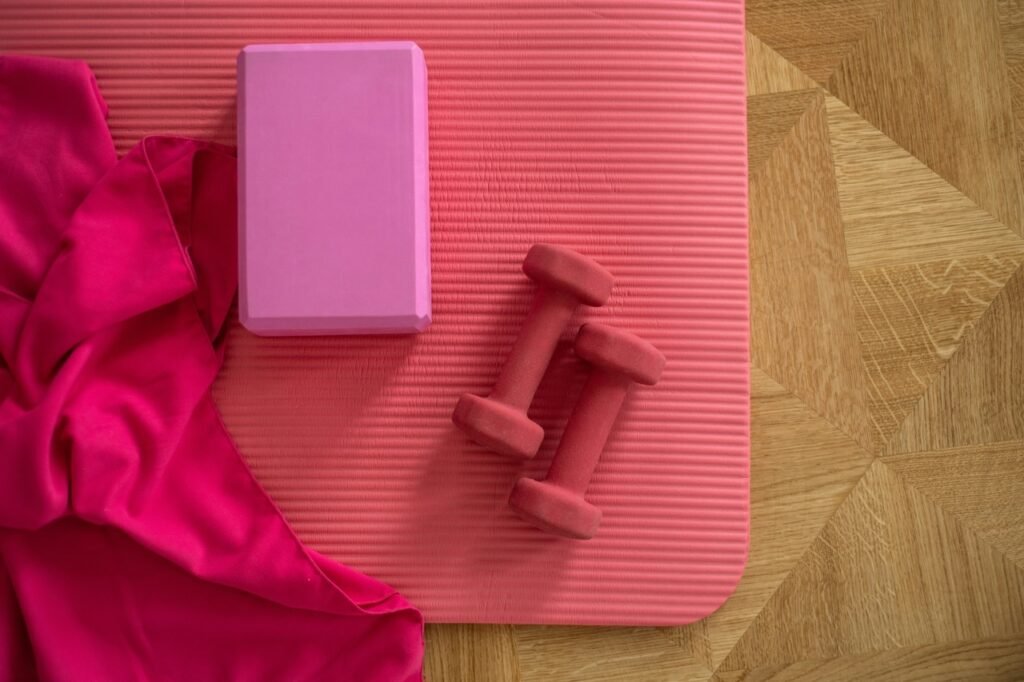
One popular option is bodyweight training. This type of exercise uses your own body as resistance. Movements like push-ups, squats, lunges, and planks can help build strength without any equipment. These exercises are simple, but they can be very effective when done correctly.
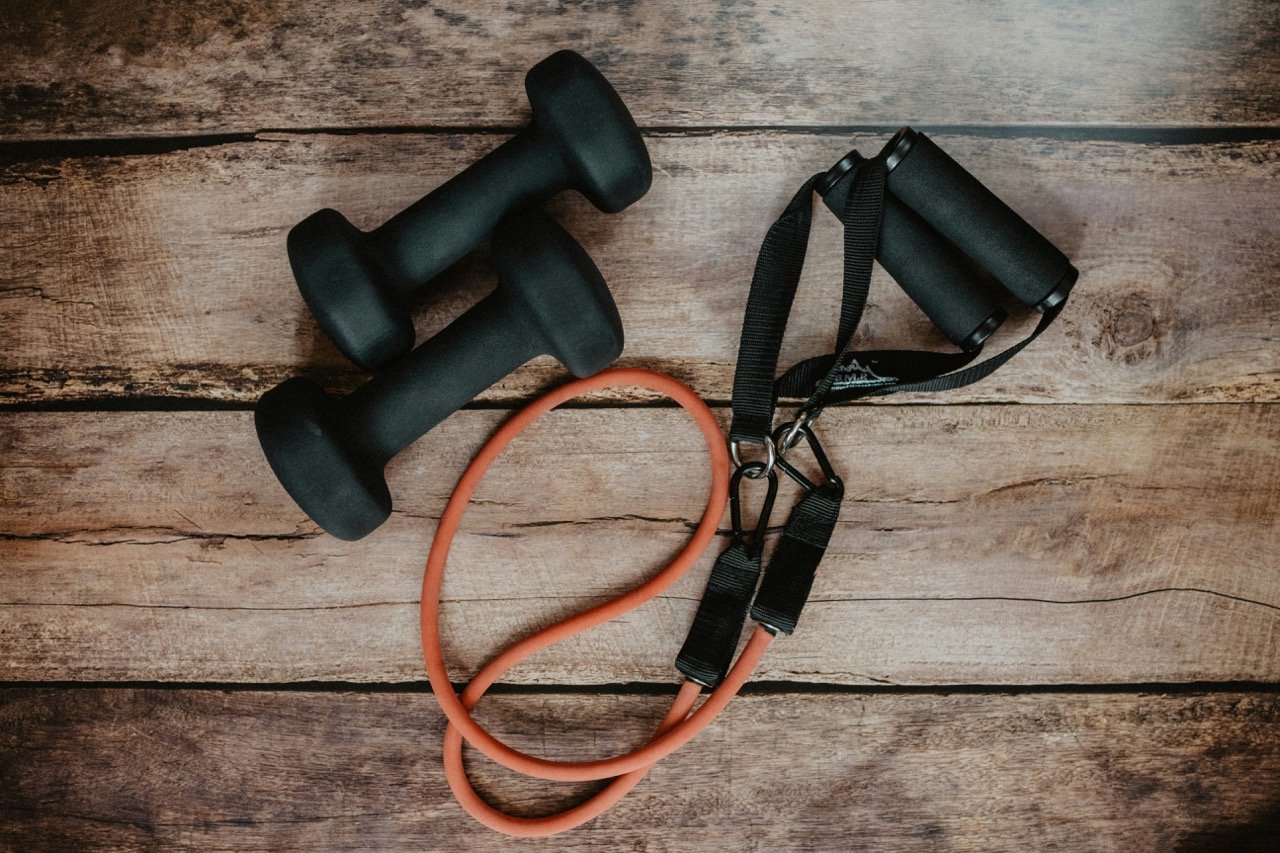
Another option is resistance bands. These are light, portable tools that can be used almost anywhere. They create resistance by stretching, which forces your muscles to work harder. Many people use resistance bands at home, while traveling, or even outdoors.
Free weights, such as dumbbells, are also a common choice. They allow for natural movement and help improve balance. However, they are not the only way to train. In fact, studies suggest that bodyweight exercises and resistance bands can produce similar strength gains, especially for beginners.
One advantage of machines is that they can isolate specific muscles. This can be helpful for learning proper form and reducing the risk of injury. However, machines are not necessary for most people. Many exercises without machines can still target multiple muscle groups at the same time.
Flexibility is another important part of strength training. Exercises that involve full movement, such as squats or lunges, can improve both strength and flexibility. This helps the body move more easily and reduces the chance of injury.
The key to improvement is progress. This means gradually increasing the difficulty of your workouts. You can do this by adding more repetitions, holding positions longer, or using stronger resistance bands. Even small changes can lead to noticeable results over time.
Another important idea is consistency. It is better to exercise regularly for short periods than to train very hard only once in a while. Many experts suggest that even two or three sessions per week can be enough to see improvement.
Strength training also does not need to take a lot of time. Short workouts of 20 to 30 minutes can still be effective. This makes it easier for people with busy schedules to stay active.
In the end, the best type of strength training is the one that fits your lifestyle. Whether you prefer working out at home, in a park, or at a gym, there are many ways to stay strong and healthy.
The most important thing is to start, stay consistent, and enjoy the process.
Discussion Questions
Do you think a gym is necessary for strength training? Why or why not?
What are the advantages of bodyweight exercises?
Have you ever used resistance bands? What did you think of them?
Which type of training sounds most interesting to you?
What makes it difficult for people to exercise regularly?
How can someone make exercise part of their daily routine?
Do you prefer short workouts or long workouts? Why?
What goals do people usually have when they start strength training?