12 English Phrases and Idioms That Will Make You Sound More Natural
Vocabulary
Essence – the most important part of something
Example: Time is of the essence when people need emergency help.
Fluent – able to speak a language easily and naturally
Example: Maria became more fluent after practicing English every day.
Idiom – a phrase whose meaning is different from the meaning of its individual words
Example: “Break the ice” is a common English idiom.
Progress – movement toward a goal or improvement
Example: Liam made good progress in his English class this year.
Deadline – a time when something must be finished
Example: The students worked hard to finish their projects before the deadline.
Article
12 English Phrases and Idioms That Will Make You Sound More Natural
Learning English is not only about grammar and vocabulary. Native speakers often use phrases, idioms, and expressions in everyday conversations. Learning these expressions can help you sound more natural, understand movies and TV shows, and communicate more confidently.
Here are 12 useful English phrases and idioms you can start using today.
1. In No Time
Meaning: Very quickly.
If something can be finished fast, people often say it will be done “in no time.”
Example:
Don’t worry, I’ll finish my homework in no time.
This phrase is common in work, school, and everyday conversations.
2. Time Is of the Essence
Meaning: Time is very important.
People use this phrase when something needs to happen quickly.
Example:
We need to leave now. Time is of the essence.
You may hear this expression in business meetings, emergencies, or important projects.
3. The Clock Is Ticking
Meaning: Time is running out.
This phrase reminds people that a deadline is getting closer.
Example:
The clock is ticking. We only have one hour left to finish the presentation.
4. Ahead of Time
Meaning: Earlier than planned or before something begins.
Being “ahead of time” usually means being well prepared.
Example:
We arrived at the airport ahead of time.
Many teachers and employers appreciate people who prepare ahead of time.
5. Break the Ice
Meaning: To make people feel comfortable or start a conversation.
This is a popular phrase in classrooms, meetings, and social situations.
Example:
The teacher played a game to break the ice on the first day of class.
Simple questions, jokes, or activities can help break the ice.
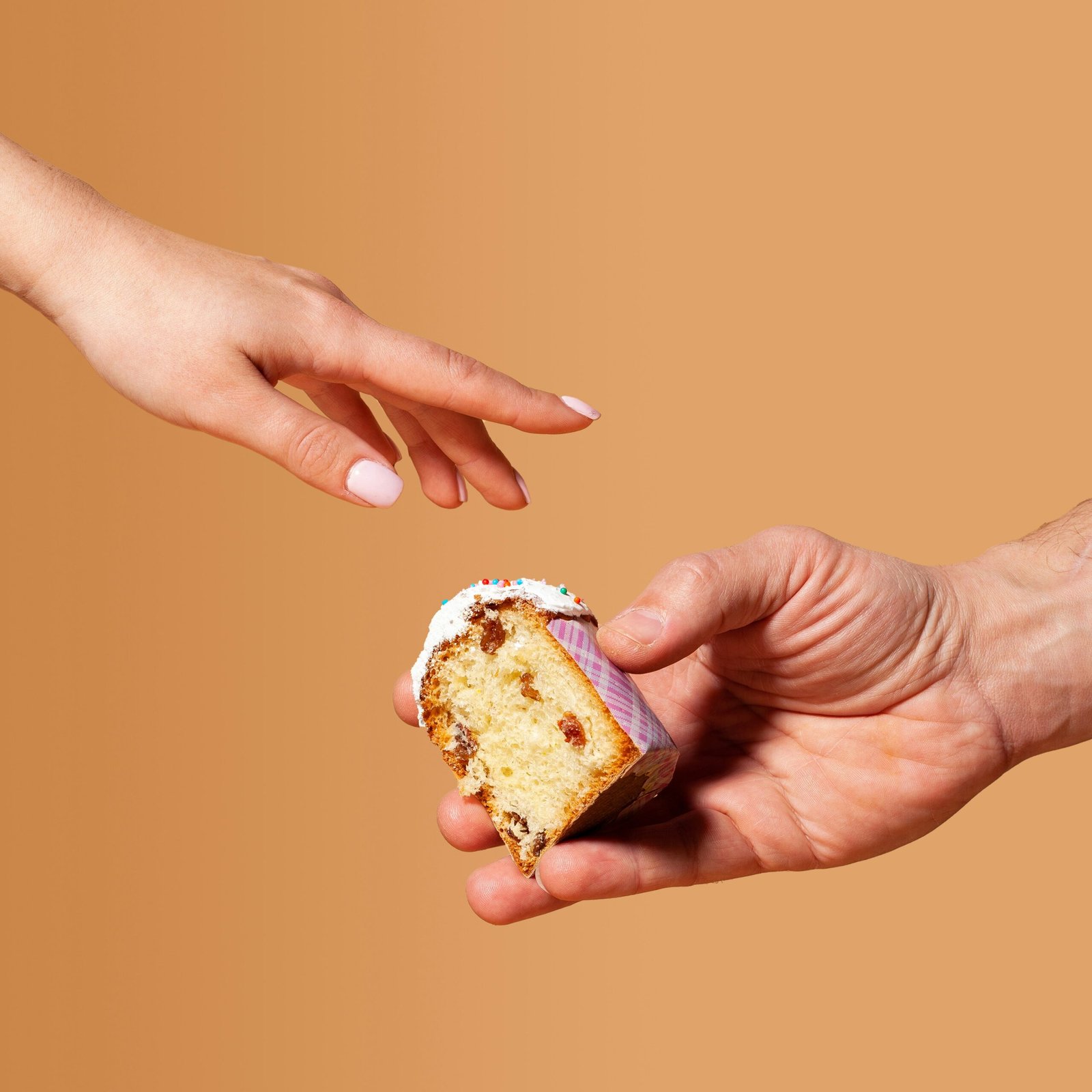
6. Piece of Cake
Meaning: Something very easy to do.
Even though cake can sometimes be difficult to bake, this idiom means a task is simple.
Example:
The English quiz was a piece of cake.
English learners often enjoy using this expression because it sounds friendly and casual.
7. Hit the Nail on the Head
Meaning: To describe something exactly right.
Imagine hitting a nail perfectly with a hammer. That is where the phrase comes from.
Example:
You hit the nail on the head when you said students need more speaking practice.
This expression is useful when you strongly agree with someone’s opinion.
8. Go the Extra Mile
Meaning: To make an extra effort.
People who “go the extra mile” do more than what is expected.
Example:
Our coach went the extra mile to help us prepare for the competition.
Teachers, employees, athletes, and students can all go the extra mile.
9. I See Your Point, But…
Meaning: A polite way to disagree.
Native speakers often use this phrase to show respect before sharing a different opinion.
Example:
I see your point, but I think online learning also has advantages.
Learning polite disagreement is an important communication skill.
10. Keep Me in the Loop
Meaning: Keep me informed or updated.
This phrase is common in workplaces and group projects.
Example:
Please keep me in the loop about any schedule changes.
If you are “in the loop,” you know what is happening.
11. Let’s Touch Base Later
Meaning: Let’s talk again later.
This expression is common in professional English.
Example:
We do not have enough time now. Let’s touch base later this week.
Many English speakers use this phrase in meetings, emails, and business conversations.
12. I’m Pressed for Time
Meaning: I do not have much time.
People use this phrase when they are busy or have many tasks to complete.
Example:
I’m pressed for time today, so I cannot stay long.
This expression is useful in work, school, and everyday life.
Why Are Idioms and Phrases Important?
Idioms and phrases are a major part of natural English. Native speakers use them in conversations, movies, social media, and workplaces every day.
However, learners should remember one important rule: do not try to use too many idioms at once. Using a few expressions naturally is better than memorizing a long list without understanding how to use them.
The best way to learn English phrases is to listen, notice, practice, and use them in real situations.
Quick Reference Table
| Phrase | Meaning | Example Situation |
|---|---|---|
| In no time | Very quickly | Finishing homework |
| Time is of the essence | Time is very important | Deadlines |
| The clock is ticking | Time is running out | Projects |
| Ahead of time | Earlier than planned | Travel |
| Break the ice | Start conversation | Meeting new people |
| Piece of cake | Very easy | Tests |
| Hit the nail on the head | Exactly correct | Giving opinions |
| Go the extra mile | Make extra effort | Work or school |
| Keep me in the loop | Keep me informed | Group projects |
| I’m pressed for time | Very busy | Daily life |
Discussion Questions
- Which phrase from the article do you think you would use most often? Why?
- Have you ever been “pressed for time”? What happened?
- Do you like using idioms when learning English, or do you find them confusing?
- Can you think of a situation where you needed to “break the ice”?
- Who is someone in your life who often “goes the extra mile”?
- Which English phrase or idiom do you want to practice this week?
Sources
EnglishAnyone: 120 Common English Phrases (And When to Use Them)
Oxford International: 50 Useful English Idiomatic Expressions & Their Meanings