Can Humans Still Recognize AI Content?
Vocabulary
Artifact (Noun)
A strange visual detail or mistake that appears in AI-generated images or videos.
Convincing (Adjective)
Able to make someone believe something is true.
Manipulate (Verb)
To control or change something in a clever or sometimes dishonest way.
Deepfake (Noun)
Video or image created using AI to make someone appear to say or do something they did not.
Authentic (Adjective)
Real and not copied or fake.
Article
For most of the history of photography, people believed that images were reliable evidence of reality. If you saw a photograph of something, you could usually assume it was real.
However, the rapid development of artificial intelligence is beginning to change that idea.
AI systems can now generate extremely realistic images, videos, and voices. With only a short description or a few clicks, modern AI tools can create faces of people who do not exist, videos of events that never happened, and voices that sound exactly like real individuals.
Only a few years ago, AI-generated images were easy to recognize. Many early examples contained obvious errors. Faces might have extra fingers, strange eyes, or distorted backgrounds. These small mistakes, called artifacts, helped people quickly identify fake images.
Today, these clues are becoming harder to find.
Modern AI systems are trained using enormous collections of real photos and videos. By studying millions of examples, the systems learn patterns of lighting, shadows, facial structures, and camera angles. As a result, the images they produce can appear highly convincing.
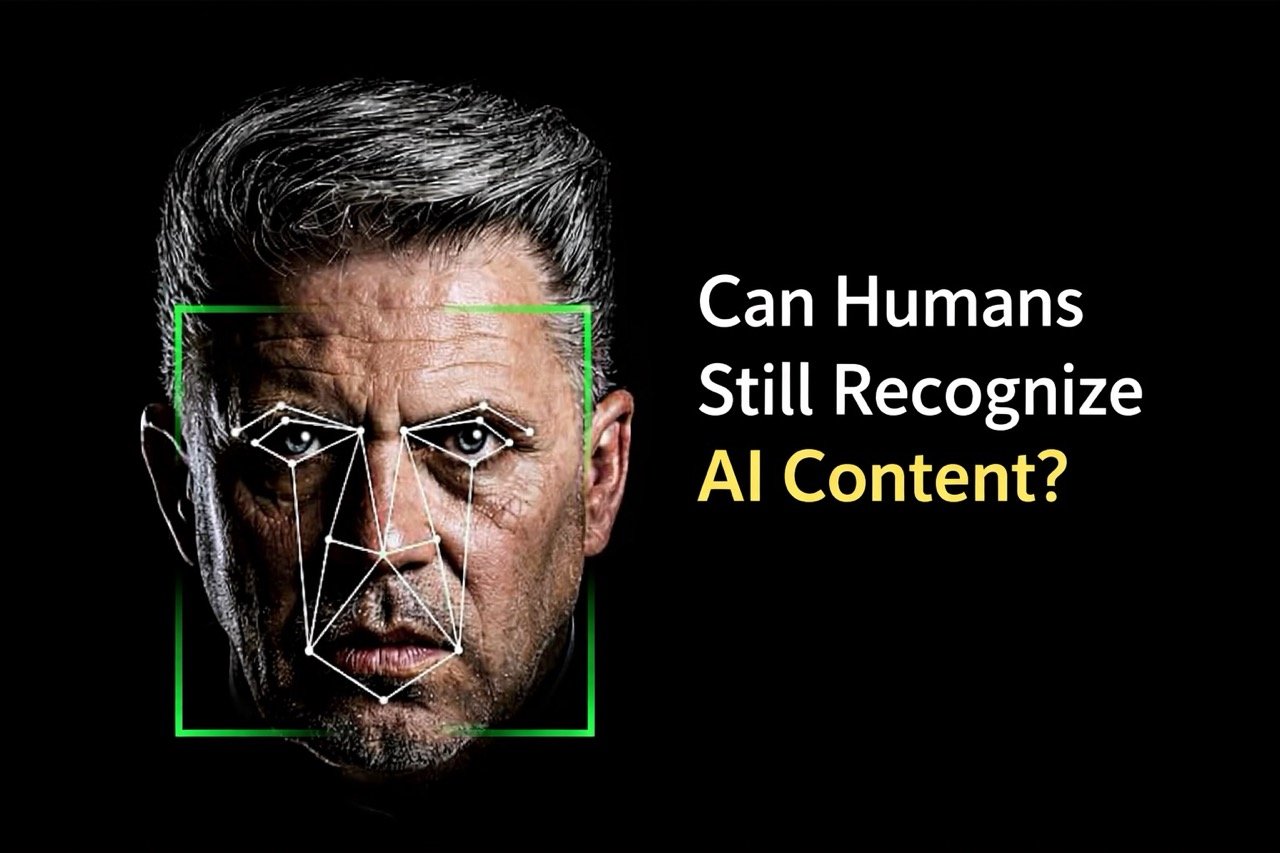
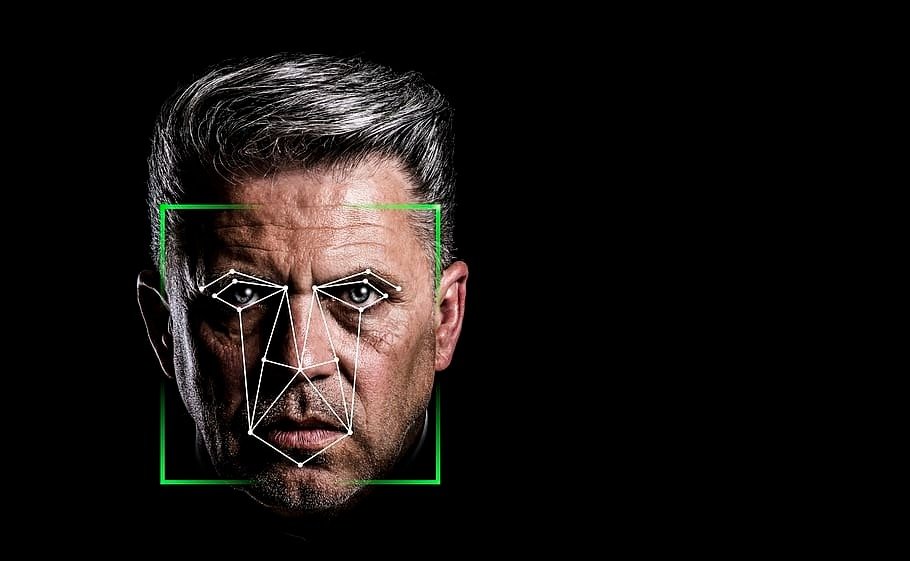
Researchers have studied how well humans can detect AI-generated content. In one experiment, participants were asked to look at a mix of real and AI-generated faces and identify which ones were artificial.
The results were surprising.
Even people with exceptional face-recognition skills sometimes called “super-recognizers” performed only slightly better than random guessing. Many participants struggled to distinguish between real and AI-generated faces.
Why is this happening?
One reason is that AI-generated faces often appear extremely “perfect.” They may be unusually symmetrical or well-proportioned. Real human faces often contain small imperfections that AI systems sometimes smooth out.
However, the biggest challenge may not be technical.
Experts say the real problem is psychological. Humans naturally trust visual information. When we see a photo or video, our brains often assume it is authentic.
But in the age of AI, that assumption is no longer safe.
This is why researchers and educators are emphasizing the importance of media literacy. Instead of relying on visual clues alone, people should learn to question where content comes from, who created it, and whether reliable sources confirm the information.
As AI technology continues to improve, detecting fake content will likely become even more difficult.
In the future, the most important skill may not be recognizing every fake image but developing the habit of questioning what we see online.
Discussion Questions
- Why do humans tend to trust photos and videos so easily?
- Do you think AI-generated images will eventually become impossible to detect?
- What kinds of problems could deepfakes cause in society?
- Should governments require AI-generated content to be labeled?
- What skills will people need to navigate AI-generated media in the future?