Are Humanoid Robots the Future of Work?
Vocabulary
Humanoid – A robot that looks or moves like a human
Example – Scientists are developing humanoid robots for daily tasks.
Automation – The use of machines to do work instead of humans
Example – Automation is changing many industries.
Efficiency – The ability to do something well with little waste of time or effort
Example – Robots can improve efficiency in factories.
Perform – To carry out or complete a task
Example – The robot can perform simple household tasks.
Industry – A type of business or economic activity
Example – The technology industry is growing rapidly.
Replace – To take the place of something or someone
Example – Some people worry robots will replace human workers.
Article
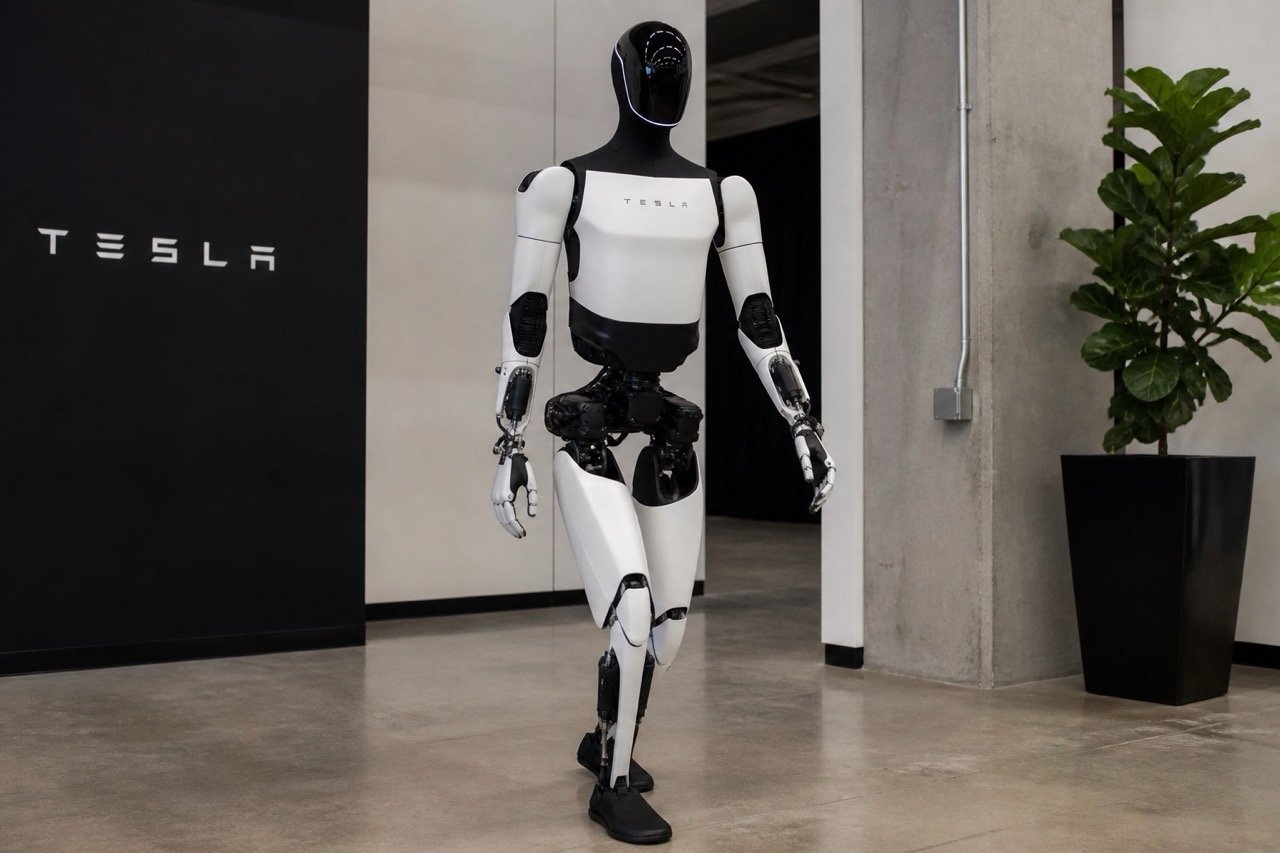
Humanoid robots are no longer just science fiction. In recent years, major technology companies and researchers have made rapid progress in developing robots that can move, think, and perform tasks like humans.
These robots are designed to work in environments that were originally built for people. This includes factories, hospitals, offices, and even homes. Because they have a human-like shape, they can use tools, open doors, and move through spaces more easily than traditional machines.
One of the main reasons for this development is the need for greater efficiency. Companies are looking for ways to reduce costs and increase productivity. Humanoid robots can work long hours without rest and perform repetitive tasks with high accuracy.
Recent reports show that some companies have already started producing humanoid robots on a larger scale. These robots are expected to be used in industries such as manufacturing, logistics, and customer service.
There have also been impressive demonstrations of robot performance. For example, a humanoid robot recently completed a half marathon, showing improvements in balance, movement, and endurance. This suggests that robots are becoming more capable of handling physical challenges.
However, the rise of humanoid robots has also raised concerns. Many people worry that automation could replace human workers, especially in jobs that involve routine tasks. Others question how safe and reliable these robots will be in real-world situations.
Experts say that while robots may replace some jobs, they will also create new opportunities. Humans may focus more on creative, social, and complex problem-solving tasks, while robots handle repetitive or physically demanding work.
In the future, humanoid robots could become a common part of daily life. From helping in homes to working in industries, they may change the way people live and work. The challenge will be finding the right balance between human skills and machine efficiency.
Discussion
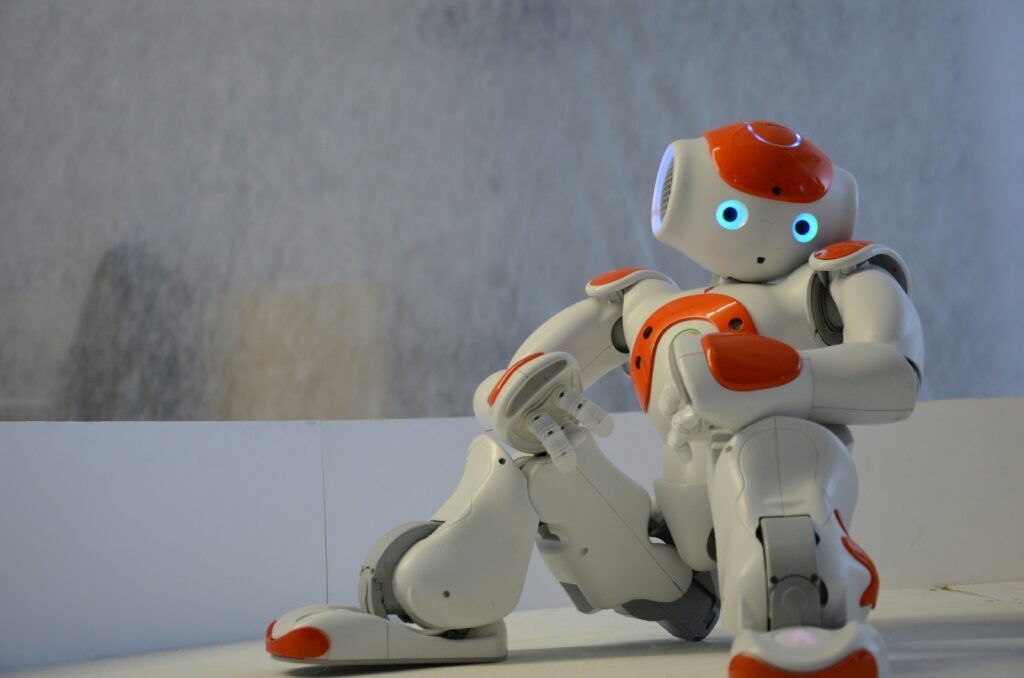
What do you think of humanoid robots?
Do you think robots will replace human workers? Why or why not?
What jobs are most likely to be done by robots in the future?
What are the benefits of using robots in daily life?
What are the risks or concerns about humanoid robots?
Would you feel comfortable working with a robot? Why or why not?
How do you think robots will change the world in the next 10 years?