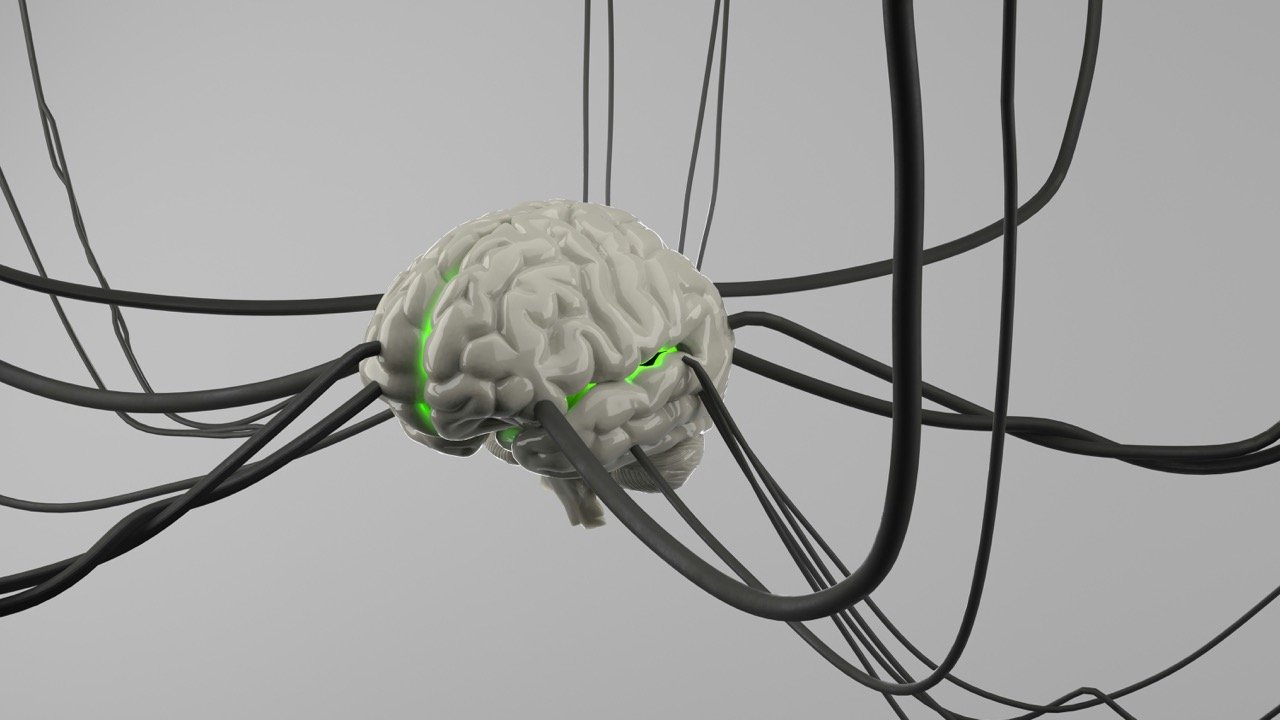
Is ‘Brain Rot’ a Real Problem, or Just a Funny Internet Term?
Vocabulary
Deteriorate – to become worse in quality, condition, or value over time.
Example – Some researchers worry that constant, low-effort scrolling can make a person’s focus deteriorate over time.
Trivial – not important; having little real value or meaning.
Example – Critics say most viral short-form videos are trivial and add little to a viewer’s day.
Compulsive – describing a behavior that feels impossible to stop, even when a person wants to.
Example – Many teenagers describe their nightly scrolling habit as compulsive rather than enjoyable.
Cognitive – related to the mental processes of thinking, learning, remembering, and paying attention.
Example – The study measured cognitive changes in students who watched several hours of short videos a day.
Skeptical – having doubts about whether something is true or as serious as it is described.
Example – Not every scientist is convinced; some remain skeptical that a funny internet phrase describes a real medical issue.
Article
Ask any teenager where the phrase “brain rot” came from, and many will just laugh and say it is obvious: too much time on TikTok. But the term is older, and stranger, than most people expect. Oxford University Press named “brain rot” its Word of the Year for 2024 after tracking a 230 percent jump in how often people used it in a single year. The phrase, though, first appeared in print in 1854, when Henry David Thoreau complained in Walden that while society tried to cure the “potato-rot,” nobody was trying to cure the “brain-rot” that came from valuing simple ideas over complex ones. More than 170 years later, the same worry has resurfaced, just aimed at a completely different kind of screen.
Today, “brain rot” describes the mental fog people say they feel after consuming too much low-quality, low-effort content online, especially short-form video on platforms like TikTok, Instagram Reels, and YouTube Shorts. The trend has even produced its own vocabulary: slang terms like “skibidi” and “Ohio,” born entirely inside meme culture, are sometimes grouped together as “brain rot language.” For many in Gen Z and Gen Alpha, calling something “brain rot” is mostly a joke, a way to poke fun at their own scrolling habits rather than a genuine health complaint.
It is worth noting that every generation has had its own version of this worry. Parents once blamed television, then video games, then smartphones in general, for supposedly damaging young minds. What feels different this time, according to many researchers, is the algorithm. Earlier media simply competed for attention; today’s short-form platforms are engineered by design to study a viewer’s reactions in real time and serve up whatever keeps them watching, one video after another, with almost no natural stopping point.
Researchers have started asking whether the joke carries some real truth. A recent academic review of existing studies on short-form video use found patterns worth taking seriously: heavy use was linked to reduced inhibitory control, meaning a weaker ability to stop an impulse, along with disrupted working memory and lower academic performance among some student groups. Other researchers point to a dramatic shift in attention itself. Where the average person reportedly held focus on a single screen for around two and a half minutes back in 2004, that number has apparently dropped to under a minute today.
Doctors interviewed by medical outlets describe a plausible mechanism behind this shift. Short videos are built to deliver a quick hit of novelty and reward again and again, training the brain to expect fast payoffs. Over time, that can make slower, more effortful tasks, like reading a novel or sitting through a long lecture, feel unbearably boring by comparison. A study published in early 2026 in the journal Current Psychiatry Reports found that university students themselves linked heavy low-quality content use with social isolation, a persistent sense of inadequacy, and a decline in academic performance they noticed in their own daily lives.
Still, plenty of experts urge caution before treating “brain rot” as an actual diagnosis. It is not recognized as a medical condition, and there is no strong evidence that scrolling causes lasting structural damage to the brain. Most of the cognitive effects researchers describe appear to be functional rather than permanent, meaning attention and mood can recover once habits change. Some claims go further than the evidence supports. One cognitive-neuroscience researcher has argued that Gen Z shows measurably weaker school-relevant thinking skills compared with earlier generations at the same age, but that claim remains contested, and other scientists argue it oversimplifies a much more complicated picture involving sleep, mental health, and years of disrupted schooling.
So is “brain rot” a genuine cognitive problem, or just an exaggerated internet punchline? The honest answer is probably both, depending on how the term gets used. As a clinical diagnosis, it simply does not exist. As a casual description of feeling foggy, distracted, and unmotivated after hours of passive scrolling, plenty of people, researchers included, seem to recognize the feeling immediately. What most experts actually agree on is less dramatic than headlines suggest: phones are not rotting anyone’s brain overnight, but habits built around constant, low-effort stimulation can quietly crowd out the focus, patience, and depth that harder, more rewarding activities usually require. The internet turned the phrase into a joke. The research suggests the discomfort behind that joke might deserve a little more attention than a punchline usually gets.
Discussion
What kind of “brain rot” content do you personally watch the most, and what makes it so easy to keep scrolling?
How has your own ability to concentrate on longer tasks, like reading a book or studying, changed in recent years?
In what ways do you think short-form video platforms are designed to keep people watching longer than they intend to?
What strategies help you recover your focus after spending a long time scrolling on your phone?
Which explanation do you find more convincing, that “brain rot” describes a genuine cognitive problem, or that it is mostly an exaggerated internet joke?
How do older generations’ worries about television or video games compare to today’s concerns about short-form video?
Sources
Oxford University Press: ‘Brain rot’ named Oxford Word of the Year 2024
NCBI/PMC: Demystifying the New Dilemma of Brain Rot in the Digital Era: A Review
Medscape: Is ‘Brain Rot’ Real? What Short Videos May Do to Cognition
University Hospitals: Is Scrolling Giving You Brain Rot?