Binge-Watching: Brain Boost or Bedtime Problem?
Vocabulary
(Ex = Example)
Narrative – A story or account of events, real or imagined
Ex. The film’s narrative was so complex that I had to watch it twice to understand.
Moderation – The quality of not doing something too much or too little
Ex. Eating sweets in moderation can be part of a healthy diet.
Recall – The action or ability of remembering something one has learned or experienced
Ex. She has very limited recall of the events that night.
Revisit – To return or come back to again; to consider a problem, situation, etc. again
Ex. We revisited some of our favorite bars and restaurants on our second trip to Rome.
Stressor – Something that causes a state of anxiety or tension
Ex. My financial situation has been a major stressor over the past few months.
Inspire – To fill someone with the desire or ability to do, feel, or create something
Ex. Jackson Pollock’s trademark style has inspired many painters.
Article
Why Binge-Watching Could Actually Boost Your Memory

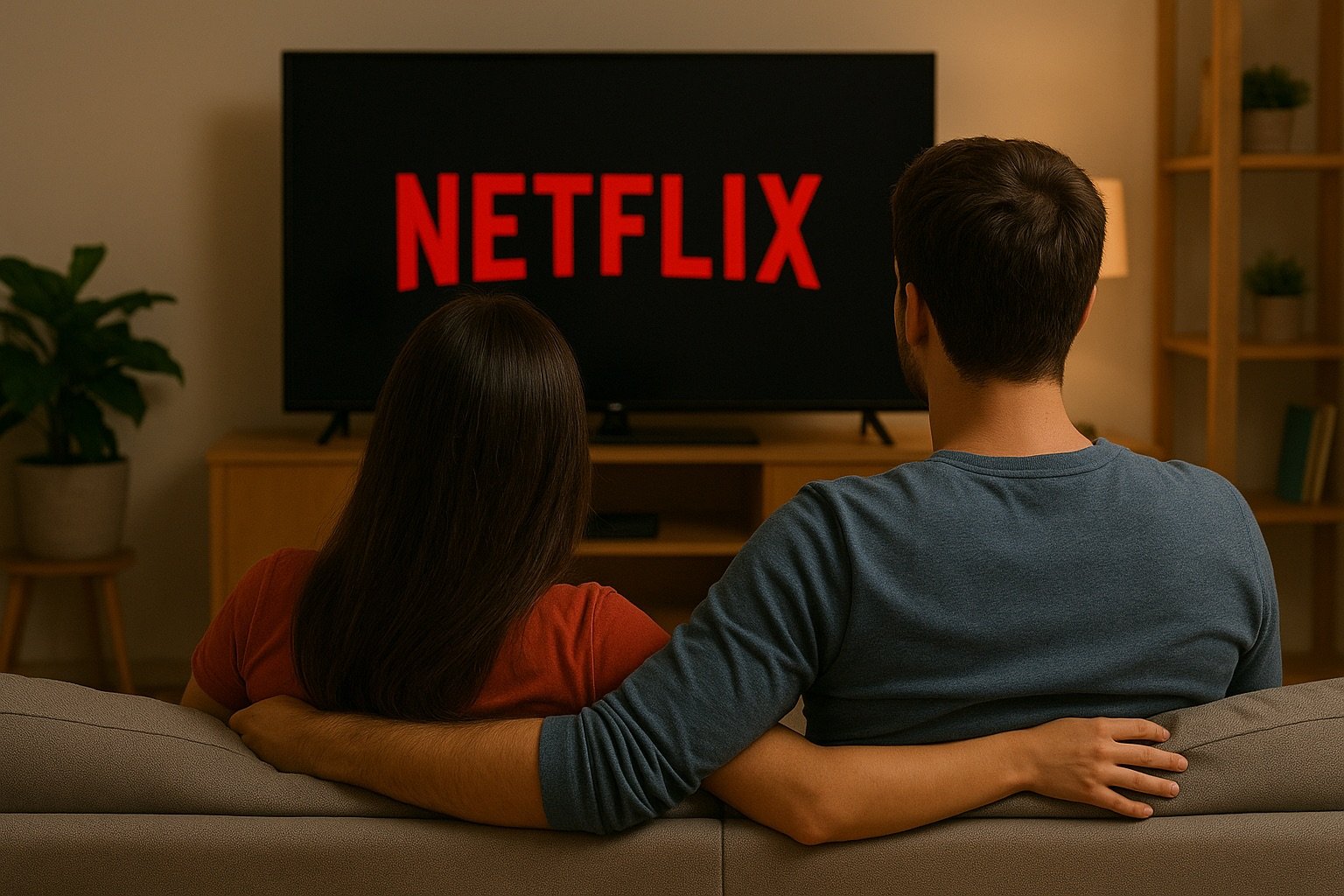
You settle onto the couch, press play, and before you know it, one episode turns into three or maybe five. Suddenly, your streaming service politely asks if you’re still watching.
This habit, often called “binge-watching,” usually gets a bad reputation. But new research suggests it may not be so bad after all, in fact, it might even be good for your memory and imagination.
Researchers from the US and UK published their findings in Acta Psychologica. The study involved 540 university students who were asked to think of memorable stories (from TV shows, movies, or books) that stayed with them long after finishing, as well as unmemorable ones.
The students also shared how long they spent with each story, how much they enjoyed it, and how often they thought about it later. This process was linked to something called Retrospective Imaginative Involvement (RII), basically, how much you mentally revisit a story after it’s over.
The results? The more time people spent with a story, the stronger their RII became, especially when binge-watching TV series. Lighthearted stories mostly made people replay what had happened, while more serious ones often led them to imagine different outcomes or possibilities.
Why does this matter? RII strengthens recall, which keeps our memory sharp, and it also fuels creativity. On top of that, revisiting stories we enjoy may help us manage daily stressors, reduce feelings of loneliness, and even inspire us.
The Balance Factor
While binge-watching can be surprisingly beneficial, researchers also warn about balance. Other studies have shown that long viewing sessions, especially late at night, can disrupt sleep, affect mood, and reduce productivity the next day. In other words, the same habit that boosts memory can become a stressor if it replaces healthy routines like rest or exercise.
Experts suggest treating binge-watching like dessert: enjoyable and even good for you in moderation, but best when combined with other healthy habits. If you’re watching a gripping series for hours, it may help to also give your brain downtime through sleep, physical activity, or even switching to reading.
So the next time you lose track of time during a TV marathon, you might just be giving your brain a workout as long as you remember to hit pause once in a while.
Discussion
1. What are your thoughts on the study’s findings?
2. Do you find it surprising that binge-watching may be good for us?
3. How often do you binge-watch TV shows? What shows have you
binge-watched?
4. Have you ever found yourself thinking about a story long after finishing it?
5. Do you tend to prefer fun, easy stories or deep, serious ones?
Further Discussion
1. Do you spend more time in a week reading or watching TV?
2. Are there any books, movies, or TV shows you wish had ended differently?
3. What are some books and TV shows that you usually recommend to everyone?
4. Are there any books or TV shows you’ve read or watched multiple times?
5. If you could either only read books or watch TV for the rest of your life, which
would you choose?
New Balance Questions:
6. Do you think binge-watching affects your sleep or daily routine?
7. How do you balance watching shows with other healthy habits, like exercise or rest?
8. Do you agree with the idea that binge-watching is fine “in moderation,
” like dessert?
Why or why not?
9. Have you ever felt more stressed after watching too much TV, even if you enjoyed
the show?