Can Small Fall Habits Really Change Your Health?
Vocabulary
Routine – A set of actions that you do regularly in the same order.
Example – Her morning routine includes a short walk before she checks her phone.
Consistent – Doing something in the same way again and again over time.
Example – Experts say being consistent with small health habits matters more than doing one big change.
Trigger – Something that reminds you to start an action.
Example – Pouring your morning coffee can be a trigger to take a vitamin or stretch.
Wind down – To relax and become calm after a busy day.
Example – Many people wind down in the evening by reading instead of looking at a screen.
Sustainable – Possible to continue for a long time without becoming too difficult.
Example – A ten-minute daily walk is more sustainable than an hour at the gym every day.
Article
When the weather gets cooler and the days get shorter, many people feel a small urge to reset their lives. Schools reopen, work becomes busy again, and summer holidays feel far away. Health writers often call autumn a “second new year” because it feels like a good moment to start again. But can small habits really make a difference to your health, or is that just a nice idea?
The short answer from researchers is that small actions can matter, especially when people repeat them for a long time. Harvard Health Publishing reported on a large study that followed tens of thousands of adults. According to the researchers, people who followed five healthy habits lived longer than people who followed none. The habits were a healthy diet, regular exercise, no smoking, moderate alcohol use, and a healthy body weight. Women who followed all five lived to about 93 on average, compared with 79 for those who followed none. For men, the numbers were about 88 and 75. This kind of study shows a link, not proof that each habit caused the result, but the pattern was clear.
The harder question is how to start. Many people try to change everything at once and stop after two weeks. Behavior scientists say it is smarter to begin small. According to Dr. Phillippa Lally, a researcher who studied habit formation at University College London, it took volunteers an average of 66 days for a new daily behavior to feel automatic. However, the range was very wide, from 18 days to 254 days. In other words, there is no magic number. Lally has also said that making a clear plan about when and where you will do something helps people follow through better than a vague wish like “I should exercise more.”
This is the idea behind a popular technique called habit stacking. You attach a new habit to something you already do every day. For example, “After I brush my teeth, I will stretch for two minutes.” The old habit becomes the trigger for the new one. The technique became famous through writers on behavior change, and many wellness experts recommend it. It is worth remembering that it is a practical tip, not a guaranteed method, and some people find it works better than others.
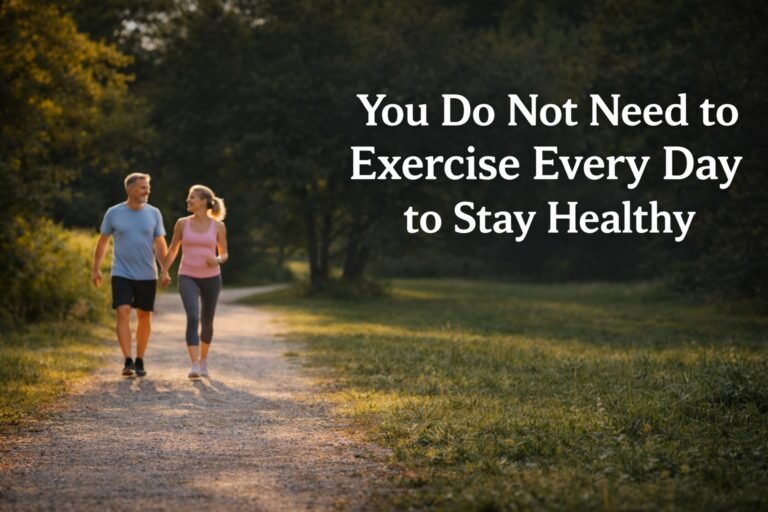
Walking is one of the easiest habits to begin in the fall. Many people have heard that they need 10,000 steps a day. According to Dr. I-Min Lee of Harvard Medical School, that number began as a marketing idea for a Japanese pedometer in the 1960s and was not based on strong science. In her study of more than 16,000 older women, those who walked about 4,400 steps a day had a lower risk of early death than those who walked about 2,700. The benefit leveled off around 7,500 steps. The study looked only at older women, so the results may not be the same for everyone, but the message is encouraging: a short walk is better than none. A morning walk in the cool autumn air is a pleasant way to add steps, and daylight can also help your body clock.
Sleep is another area where small changes help. The Mayo Clinic recommends going to bed and waking up at the same time every day, including weekends. It also suggests keeping the bedroom cool, dark, and quiet, avoiding heavy meals and caffeine close to bedtime, and limiting naps. If worries keep you awake, Mayo experts suggest writing them down before bed. Early darkness in autumn can actually make it easier to build an evening wind-down routine, such as dimming the lights, putting your phone away, and reading for a few minutes.
Food habits can change with the season too. Many health organizations encourage people to eat plenty of vegetables, whole grains, and healthy fats, and to eat less processed meat, as the Harvard research on the five habits describes. Some nutrition experts also suggest planning meals for the week. Autumn produce such as pumpkin, apples, carrots, and cabbage is often affordable and easy to cook in large amounts. Planning ahead may help people avoid last-minute fast food on busy evenings, although the research on meal planning is less strong than the research on exercise and sleep, so it is best seen as a useful idea rather than a proven cure.
Of course, small habits have limits. A short walk will not replace medical treatment, and not everyone has the same time, money, or energy to change their routine. Culture matters as well. In some countries, a walk after dinner is a normal family tradition, while in others, long work hours and long commutes leave little free time. Experts also warn against feeling guilty when a day goes wrong. Missing one day usually does not end a habit, and the goal is progress, not perfection.
So can small fall habits change your health? The evidence suggests they can help, particularly when they are realistic, repeated often, and linked to your daily life. The best approach may be to choose just one or two changes, make them very easy, and give them plenty of time. If you have a health condition or are not sure what is right for you, it is a good idea to talk to your doctor before making big changes.
Discussion
What is one small habit that you have kept for a long time, and how did you start it?
How do the seasons change the way you eat, sleep, or exercise in your country?
Why do you think so many people stop new habits after only a few weeks?
What daily activity could you use as a trigger for a new healthy habit in your own life?
How is walking viewed in your culture compared with driving or taking public transport?
What would your ideal evening routine look like, and what makes it difficult to follow?
Which do you trust more when you decide to change a habit, advice from experts or advice from friends and family, and why?
Sources
Harvard Health Publishing: Five healthy habits net more healthy years
Harvard Health Publishing: 10,000 steps a day – or fewer?
Mayo Clinic: Sleep tips: 6 steps to better sleep
University of Surrey: Does it really take 66 days to form a habit? We asked the expert, Dr Pippa Lally