Does “Grounding” or Walking Barefoot Outside Actually Do Anything?
Vocabulary
Grounding – the practice of touching bare skin directly to the earth, such as by walking barefoot on grass or sand.
Example – She tried grounding by walking barefoot in the park every morning.
Conductor – a material that allows electricity to move through it easily.
Example – Metal is a good conductor, and so is slightly wet earth.
Inflammation – swelling or soreness in the body, often linked to injury or stress.
Example – Some people believe grounding can help reduce inflammation.
Skeptical – not easily convinced that something is true.
Example – Many scientists remain skeptical about the bigger claims around grounding.
Evidence – facts or information that show whether something is true.
Example – There is only limited evidence that grounding improves sleep.
Does Grounding Work?
Does grounding actually work, or is walking barefoot outside just a nice feeling? Many people say yes. Some believe this feeling is more than just relaxation. They call it “grounding,” or “earthing.” They believe touching the earth with bare skin can actually improve your health. But is this true, or just a nice feeling?
What Is Grounding?
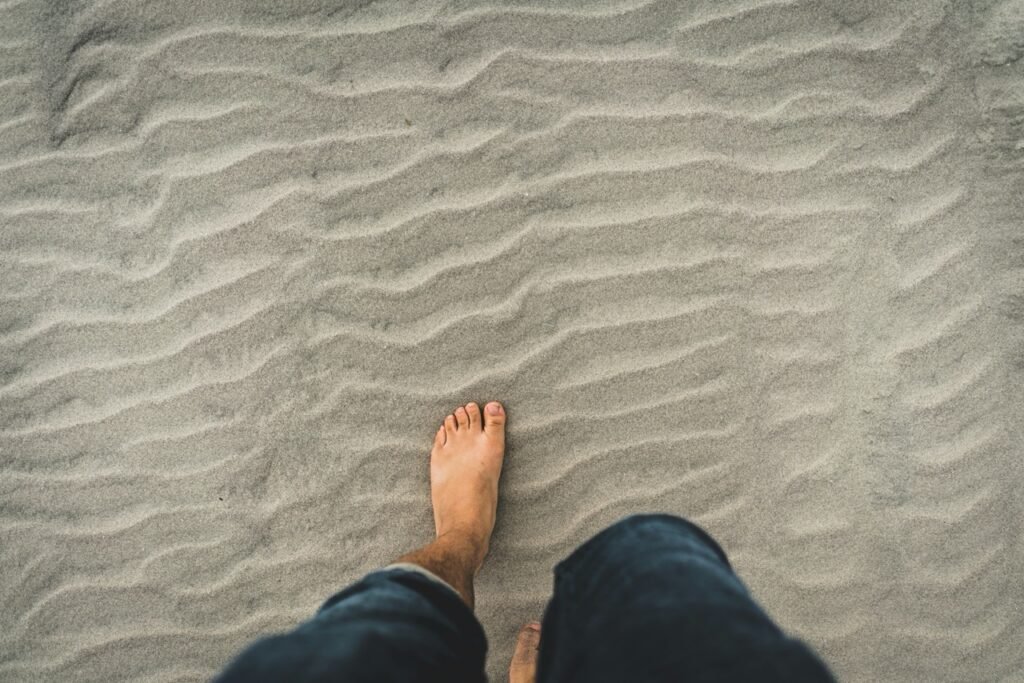
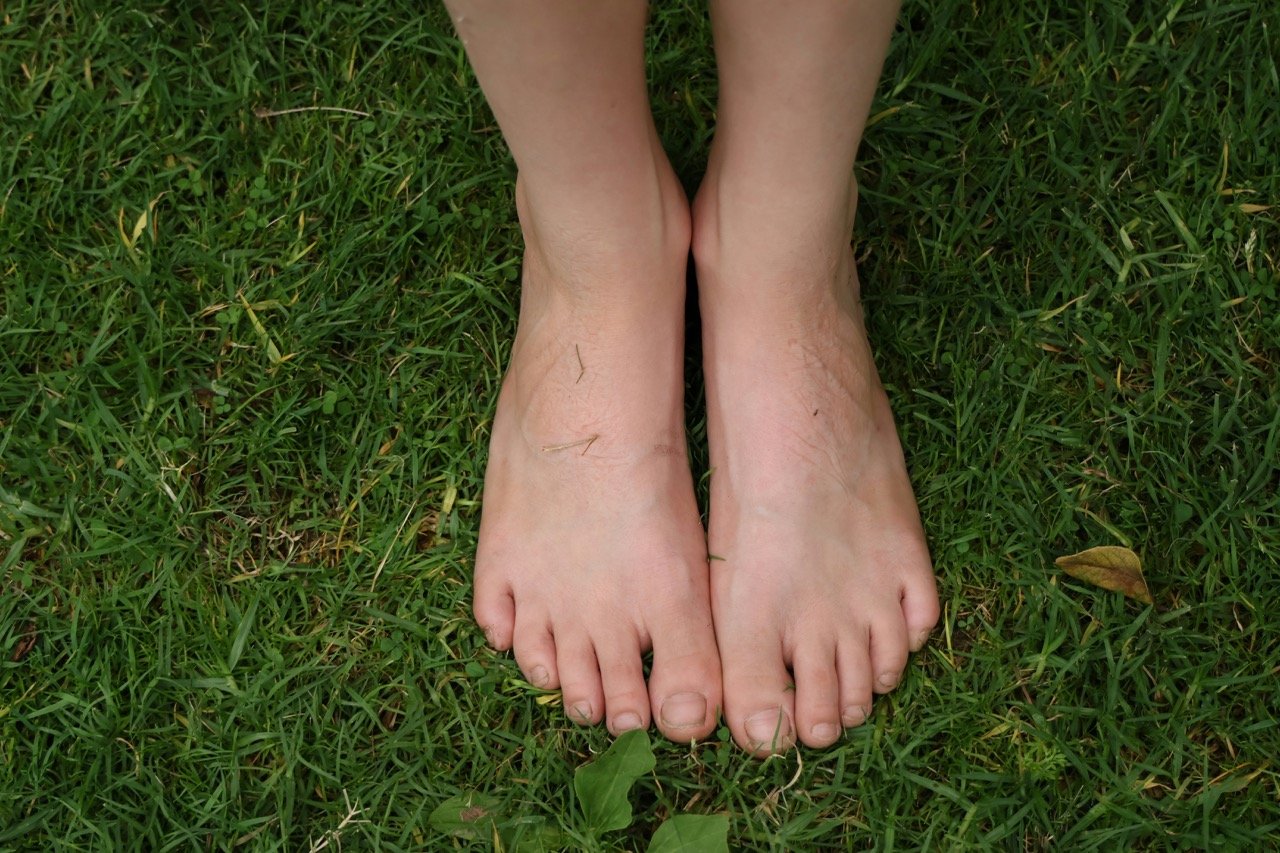
Grounding is simple. You take off your shoes. You touch the earth with your bare feet, or your hands. This could be grass, sand, or soil. People who believe in grounding say the earth has a natural electric charge. They say your body can connect to this charge. They believe this connection can reduce stress, help you sleep, and lower swelling in the body, also called inflammation.
The idea is not new. Humans walked barefoot for most of history. Shoes with thick rubber soles are a fairly recent invention. Some people believe modern shoes cut us off from a natural connection we used to have every day.
What Does the Research Say about Grounding?
Some scientists have studied grounding. A few small studies suggest it might help people feel less stressed. Some research says grounding could improve sleep for certain people. Other studies have looked at inflammation and suggest a possible small effect.
However, most of these studies are small. They do not include many people. Some studies were paid for by companies that sell grounding products, like special mats or shoes. This makes some scientists skeptical. They want to see bigger, more independent studies before they trust the results completely.
Reviews of the research, including work published in medical journals, note that early findings are interesting but not yet strong proof. Scientists agree that more research is needed before anyone can say grounding definitely works.
Part of the problem is separating grounding from other healthy habits that often happen at the same time. People who practice grounding are usually outside, moving their bodies, and away from phones and screens. All three of these things are already linked to lower stress on their own. This makes it hard for researchers to know exactly which part is helping: the earth itself, or simply being outside and active.
Why Do People Like It Anyway?
Even without perfect scientific proof, many people continue to practice grounding. Walking barefoot outside often means spending time in nature. Nature itself is well known to reduce stress. It could be that grounding helps people relax simply because they are outside, moving, and away from screens, not necessarily because of any special electrical connection.
There is also a simple, calming ritual involved. Taking off your shoes and walking slowly can feel like a small break from a busy day. This alone might explain why so many people say they feel better afterward.
Grounding has also become popular on social media, where people share short videos of themselves walking on grass or sand in the morning. This has helped the idea spread quickly to new audiences, even in countries where the practice was not common before. Some people now treat it as part of a daily routine, similar to stretching or drinking water first thing in the morning.
Is It Safe to Try?
For most healthy people, walking barefoot outside is generally safe. You should be careful about sharp objects, hot sand, or unclean areas. People with certain foot conditions, like diabetes, should talk to a doctor first, since foot injuries can be more serious for them.
Grounding costs nothing. You do not need to buy anything special, though some companies now sell grounding mats and shoes for people who cannot easily walk outside. For most people, though, a simple walk outside works just as well. You can try it in your backyard, at a park, or at the beach.
The Bigger Picture
Grounding sits in an interesting space between old tradition and modern science. The evidence so far is limited, but not completely dismissed either. Many wellness practices start this way: popular first, then slowly studied more carefully over time.
For now, walking barefoot outside seems like a low-risk way to relax, whether or not the electrical explanation turns out to be true. Some people will keep believing in the deeper science. Others will simply enjoy the quiet moment of bare feet on cool grass.
Either way, it costs nothing to try it for yourself.
Discussion
Would you like to try walking barefoot outside? Why or why not?
How do you usually feel after spending time in nature?
Do you trust wellness trends that become popular on social media?
What is one healthy habit you do every morning?
Why do you think grounding has become popular recently?
Is there a natural habit from your culture that is similar to grounding?
Sources
WebMD: Grounding, Techniques and Benefits
PMC (National Institutes of Health): Earthing, Health Implications of Reconnecting the Human Body to the Earth’s Surface Electrons
PMC (National Institutes of Health): The Effects of Grounding (Earthing) on Inflammation, the Immune Response, and Wound Healing