Is Cold Plunging Actually Good for You, or Just a Trend?
Intermediate
Vocabulary
Plunge – to jump or dive suddenly into water, especially cold water.
Example – He took a deep breath before he plunged into the icy tub.
Alertness – the state of being awake, attentive, and ready to react quickly.
Example – Many people say cold water gives them a sudden burst of alertness.
Inflammation – swelling and soreness in the body, often after exercise or injury.
Example – Athletes sometimes use cold water to reduce inflammation after a hard workout.
Hype – excitement or claims about something that are bigger than what it actually deserves.
Example – Some doctors worry that cold plunging has more hype than solid proof behind it.
Tolerance – the body’s ability to handle something difficult, like cold or pain, especially after practice.
Example – Her tolerance for cold water improved after a few weeks of regular plunges.
Article
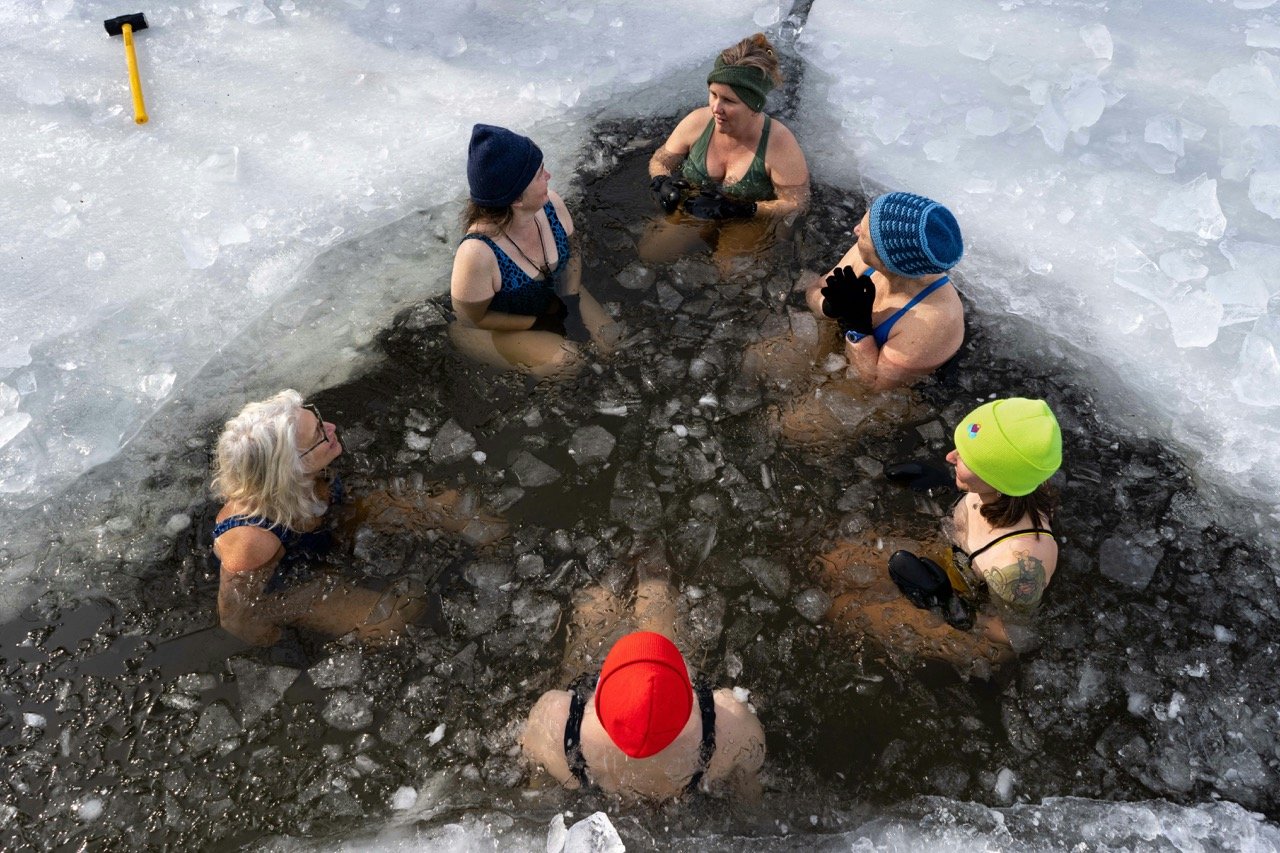
Scroll through social media for more than a minute and you will probably see someone climbing into a tub full of ice, gasping, and grinning at the camera. Cold plunging, the practice of submerging your body in cold water for a short period of time, has become one of the most talked-about wellness trends of the decade. But as more people buy backyard cold tubs and gyms add plunge pools next to the sauna, a more careful question is starting to catch up with the trend: does cold plunging actually do what people claim it does?
The short answer, according to researchers, is: partly.

What the Evidence Actually Supports
The strongest research behind cold water immersion focuses on exercise recovery. Several studies have found that cold plunges after intense exercise can reduce muscle soreness, ease swelling, and help athletes feel like they have recovered faster, even if the effect on long-term muscle growth is still debated among scientists.
There is also real evidence for a short-term mental boost. Cold exposure triggers a rush of stress hormones, including a sharp rise in norepinephrine, which can leave people feeling more awake, focused, and even mildly euphoric. According to research highlighted by Harvard Health, this jolt of alertness tends to appear within the first one to three minutes of moderately cold water, not necessarily during longer, more extreme sessions.
Where the Hype Gets Ahead of the Science
The trouble starts with the bigger claims. Cold plunging is frequently promoted as a way to boost the immune system, speed up metabolism, “detox” the body, or prevent disease. According to reporting from National Geographic and interviews with researchers at NPR, the evidence for these broader claims remains weak, mixed, or simply not tested in large, well-designed studies. No major research has shown that cold plunging extends lifespan or reliably prevents illness, despite how often that idea circulates online.
Part of the problem is that most existing studies are small, short, or focused on a narrow group, such as trained athletes. What works for a professional runner recovering from a hard race is not automatically true for the average person plunging into a cold tub after a normal workday.
The Risks Doctors Want People to Understand
Unlike the benefits, the risks of cold water immersion are documented fairly clearly. The American Heart Association has warned that sudden cold exposure can cause a rapid spike in heart rate and blood pressure, which can be dangerous for people with existing heart conditions. In rare cases, cold shock has contributed to irregular heartbeat, cardiac events, or drowning, particularly among people who are unprepared for how strongly the body reacts to sudden cold.
Doctors also point out that certain groups face higher risk, including older adults, who regulate body temperature less efficiently, and very young people, whose smaller bodies lose heat more quickly. Repeated, long-term cold exposure to the hands and feet, seen historically in commercial fishermen, has also been linked to nerve damage over time.
So, Is It Worth Trying?
Most researchers land somewhere in the middle. Cold plunging is not the miracle cure that some influencers describe, but it is not meaningless either. For a healthy person without heart or blood pressure conditions, a short, moderately cold plunge, generally lasting one to three minutes, appears to be reasonably safe and may offer a genuine mood and alertness boost, along with modest recovery benefits after exercise.
The real issue is less about whether cold plunging “works” and more about which specific claims are actually backed by evidence. Feeling more awake afterward: likely real. Recovering faster from a hard workout: probably true, at least in the short term. Boosting your immune system or adding years to your life: not something current research can support.
As with many wellness trends, the honest answer sits between the hype and the skepticism, and it depends heavily on which specific benefit someone is actually chasing.
Discussion
Would you ever try a cold plunge? Why or why not?
Have you seen cold plunging on social media? Did it make you want to try it, or did it seem exaggerated?
Why do you think people are often drawn to extreme wellness trends, even without strong scientific proof?
Do you think influencers have a responsibility to be accurate about health claims they promote?
Is there a wellness trend in your own country that you think is more hype than substance?
If a doctor told you a trend was only “partly” supported by science, would that change how you felt about trying it?
Sources
Harvard Health Publishing: Research highlights health benefits from cold-water immersions
National Geographic: Science is pushing back on the hype over cold plunges
American Heart Association: You’re not a polar bear — the plunge into cold water comes with risks