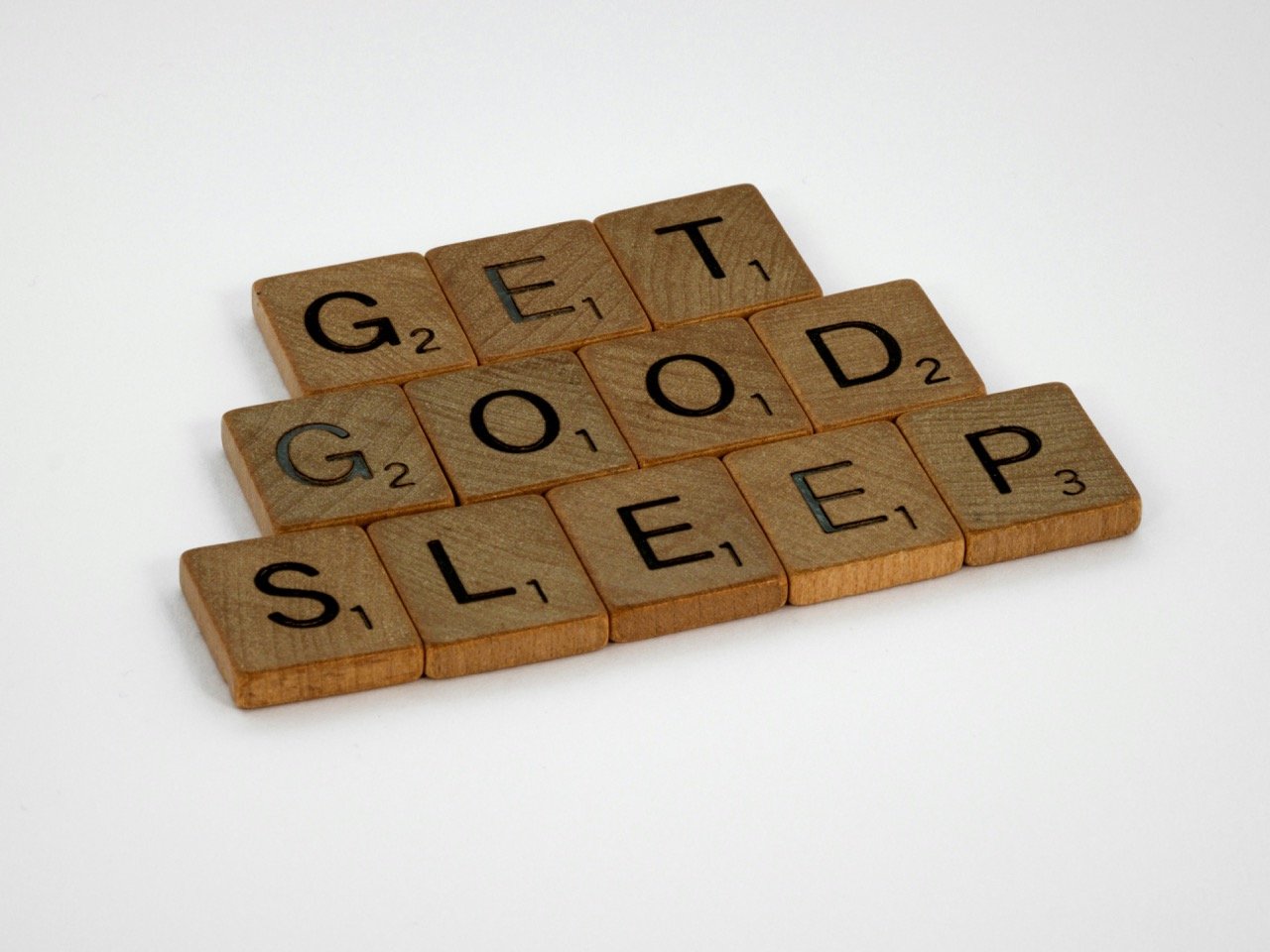
Is Sleep the Most Underrated Key to Better Grades and Productivity?
Vocabulary
deprivation – the state of not having enough of something you need.
Example – Sleep deprivation can make it hard to concentrate during a test.
consolidate – to make something stronger or more solid; here, to store memories firmly.
Example – The brain works during the night to consolidate what you learned that day.
alertness – the state of being awake, focused, and ready to react quickly.
Example – A short nap can improve your alertness for a few hours.
productivity – the amount of useful work a person gets done in a certain amount of time.
Example – Poor sleep lowers productivity because tired workers make more mistakes.
chronic – lasting for a long time, or happening again and again.
Example – Chronic sleep loss over many weeks can harm your health and mood.
Article
Most of us have done it at least once. The night before an important test, we stay up late to prepare, telling ourselves we will catch up on sleep later. It feels responsible. But a growing pile of research suggests we have it backwards. Sleep is not the thing we should cut when life gets busy. It might be the very thing that decides how well we perform.
For a long time, sleep was treated as wasted time. Scientists now know the opposite is true. While you sleep, your brain is remarkably busy. One of its most important jobs is memory consolidation, the process of moving what you learned during the day into long-term storage. According to the Sleep Foundation, memories are gradually transferred during sleep into areas of the brain built for safe, lasting storage. In simple terms, you learn something during the day, but you actually “save” it at night.
This is why sleep matters so much for students. In study after study, students who sleep well earn better grades. One review of university students found that “good sleepers” had noticeably higher grade point averages than “poor sleepers.” Researchers have also found that shorter sleep in the week before exams is linked to lower scores. Pulling an all-nighter can quietly undo the very studying it was meant to protect.
The effects reach far beyond the classroom. Staying awake too long slows your thinking, weakens your focus, and leads to more mistakes. A major study by the RAND Corporation estimated that insufficient sleep costs the United States up to 411 billion dollars every year, through employees missing work and through workers who are present but performing far below their best. Poor sleep also affects mood. After a bad night, small problems feel enormous, and it becomes harder to stay patient, cooperate, and make good decisions.
So how much sleep do we need? For most adults, experts recommend between seven and nine hours a night. The RAND researchers found that people who regularly sleep less than six hours face a significantly higher risk of health problems. Teenagers and children need even more, because their brains are still developing and learning every day.
Naps can help too, though they are not a full replacement for a good night’s rest. In one learning study, students who napped between two lessons remembered the second lesson just as well as the first, while those who did not nap showed a clear drop in memory by the evening.
None of this means you must be perfect. One rough night will not ruin your future. The real danger is chronic sleep loss, night after night for weeks or months. The good news is that the solution is free: going to bed a little earlier, keeping a regular schedule, and putting your phone away before bed all make a real difference.
We often treat staying up late as a sign of hard work. The science tells a different story. Rest is not the opposite of hard work. It is part of what makes hard work pay off, and it may be the most powerful tool you already have.
Discussion
How many hours of sleep do you usually get, and how do you feel on the days after too little sleep?
Think about a time you did not sleep well before something important. How did it affect how you performed?
Why do you think many people treat staying up late as a sign of hard work or dedication?
What habits or routines help you sleep well, and which ones make it harder?
In your culture, how do people view taking a nap during the day?
Some people say an extra hour of sleep is more valuable than an extra hour of studying. What do you think?
Sources
RAND Corporation: Lack of Sleep Costing U.S. Economy Up to $411 Billion a Year
Sleep Foundation: Sleep and Memory — How Sleep Helps You Learn and Remember
NCBI: Impact of Poor Sleep Quality on the Academic Performance of Medical Students