Is Tipping Culture Getting Out of Control?
Vocabulary
Gratuity – another word for a tip, or extra money given for good service.
Example – The receipt asked for a gratuity of 18, 20, or 25 percent.
Suggested – recommended, but not always required.
Example – The screen showed three suggested tip amounts before she could pay.
Pressure – a feeling that you must do something, even if you do not want to.
Example – Many customers feel pressure to tip when the worker is watching them pay.
Wage – the money a worker earns regularly for their job.
Example – In some countries, workers get a full wage and do not need tips.
Tradition – a custom or practice that has continued for a long time.
Example – Tipping is a strong tradition in the United States, but not in every country.
Article
Have you ever paid for coffee and suddenly seen a screen asking you to tip 20, 25, or even 30 percent? For many people in the United States, this happens all the time now. In 2026, more and more people are saying they are tired of it. Some are even calling it “tipping fatigue.”
What Is Tipping?
Tipping means giving extra money to a worker for good service. In the United States, this is very common at restaurants, cafes, and salons. For a long time, tipping was seen as a way to say “thank you” for great service. But today, many people say tipping feels less like a choice and more like a rule.
Why People Are Getting Tired of Tipping
New surveys show that many Americans are unhappy with tipping today. In one 2026 survey, 78 percent of people said tipping has “become ridiculous.” Another survey found that 81 percent of people think tipping is “out of control.” Many people say the digital screens at checkout are part of the problem. These screens often suggest higher tip amounts than before, sometimes starting at 20 or 25 percent instead of 15 percent.
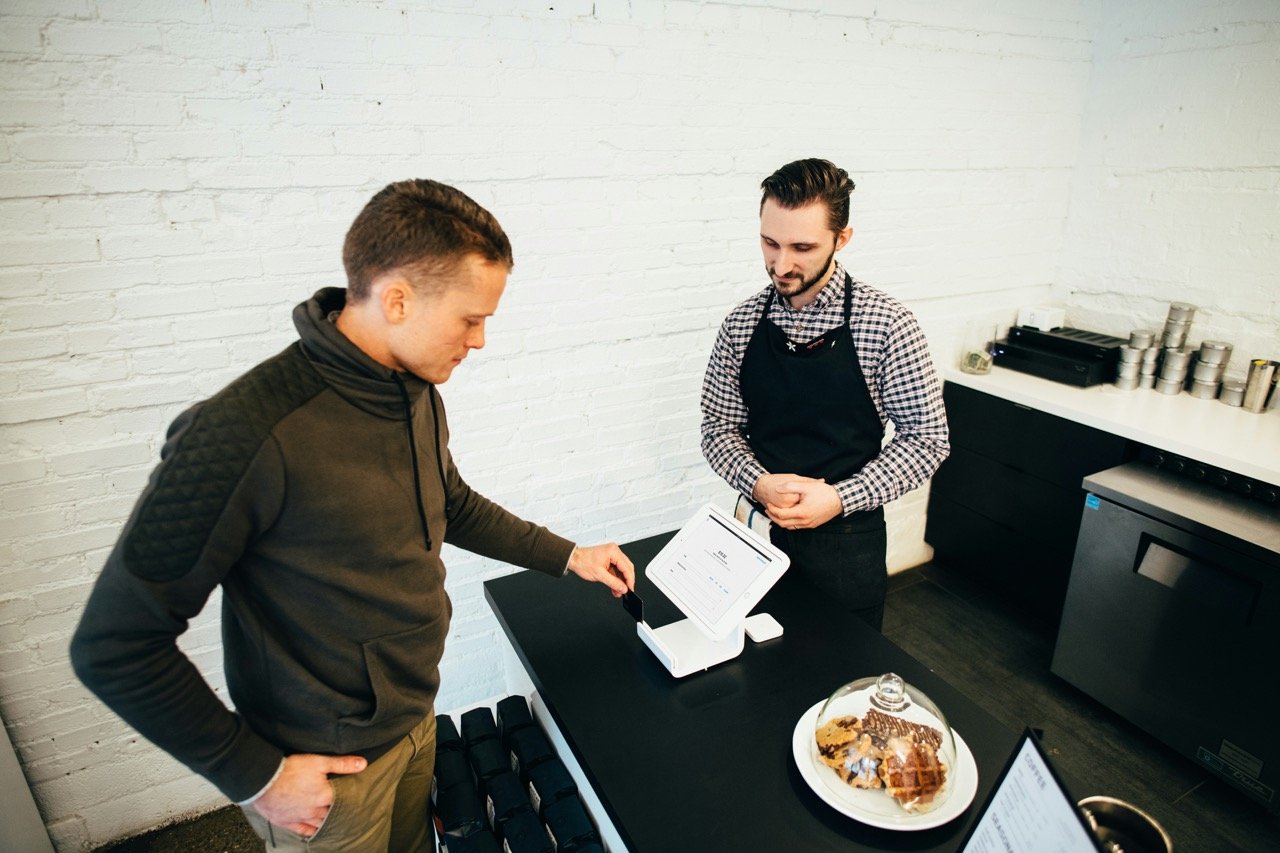
Some customers also say they feel watched. In fact, 66 percent of shoppers said they feel real pressure when a worker can see the screen while they choose a tip. Because of this pressure, some people are even avoiding certain shops completely. About 40 percent of people say they have stopped going to some businesses just to avoid the stress of the tip screen.
There is another worry too. About 64 percent of Americans believe some companies use tips to avoid paying workers a full wage. In other words, many people think businesses expect customers to help pay their workers’ salaries through tips.
Tipping Is Different Around the World
Tipping is not the same everywhere. In fact, the American style of tipping is actually unusual compared to most of the world. In many countries, workers already receive a full, fair wage, so tips are not necessary. In Japan, South Korea, and China, tipping is often not expected at all. In some places, it can even feel strange or rude to leave a tip.
In countries like Sweden, Norway, Denmark, and Finland, service charges are already included in the bill. So customers do not need to add anything extra. In places like Hong Kong, Singapore, and Taiwan, restaurants often add a 10 percent service charge automatically, so there is no need to leave more cash.
What Might Happen Next?
Because so many people are frustrated, some businesses may start to change. A few restaurants have already tried removing tip screens completely, or raising worker pay instead of asking for extra tips. Other businesses are keeping tipping the same, worried that workers might earn less money without it.
For now, tipping in the United States is still common. But with more people saying they are tired of feeling pressured, 2026 may be an important year for how tipping works in the future.
Discussion
Do you think tipping is a good system, or a confusing one?
Have you ever felt pressure to tip more than you wanted to?
Is there a tipping tradition in your own country? What is it like?
Would you prefer a system with no tipping, where prices already include everything?
Do you think businesses should pay workers more instead of depending on tips?
What would you say to a friend who is visiting a country with different tipping rules?
Sources
Fox News: Tipping Practices in US ‘Have Become Ridiculous,’ Americans Say in New Survey
KTLA: America’s Tipping Culture Has Finally Reached a Breaking Point, Survey Finds
TipCalc.info: Tipping Culture Around the World