
Should You Tip? The Ongoing Debate About Service Workers and Tipping Culture
Vocabulary
Gratuity – An extra amount of money given to someone for their service; a tip.
Example – The restaurant included a 15% gratuity for large groups.
Expectation – A belief that something should happen or be done.
Example – In some countries, there is no expectation to leave a tip.
Compensation – Money given to someone in exchange for their work or services.
Example – Some workers believe higher wages would be better compensation than relying on tips.
Custom – A traditional way of behaving in a particular culture or society.
Example – Removing your shoes before entering a home is a custom in many countries.
Controversial – Causing disagreement or debate among people.
Example – The decision to add automatic service fees has been controversial.
The Culture of Tipping Around the World
Have you ever been unsure about whether you should leave a tip after receiving a service? Tipping can be one of the most confusing parts of traveling because every country has different rules and expectations.
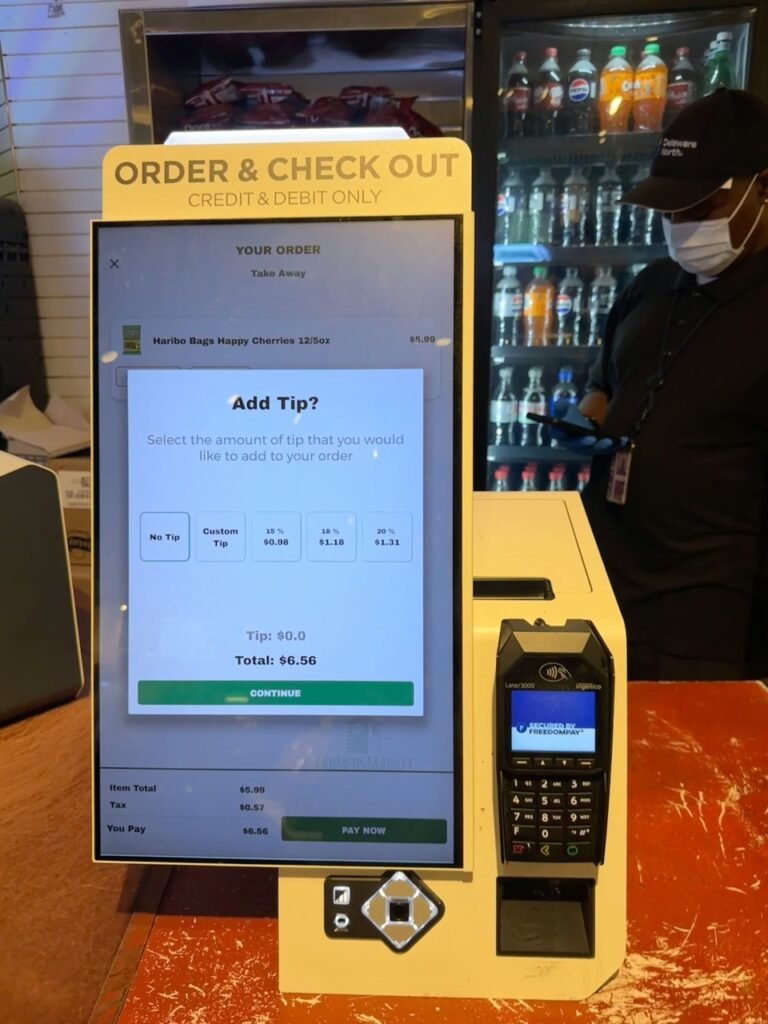
In many parts of the world, service workers receive a regular salary, and leaving extra money is considered optional or even unusual. However, in countries like the United States and Canada, tipping is deeply connected to the service industry and often makes up a significant part of workers’ income.
Why Is Tipping So Important in the United States?
In the United States, many restaurant servers, bartenders, and other service workers earn a lower base wage because tips are expected to make up a large part of their income. For this reason, many workers depend on customer tips to pay for everyday expenses.
A common tipping amount at restaurants is around 15–20% of the total bill, although some customers leave more for exceptional service.
Supporters of the tipping system argue that it rewards workers who provide excellent service. They believe tips encourage employees to be friendly, attentive, and hardworking.
The Growing Tipping Debate
In recent years, tipping has become a more controversial topic. Many customers say they are experiencing “tip fatigue” because they are being asked to leave tips in more situations than before.
For example, digital payment screens at coffee shops, fast-food restaurants, and even some self-service businesses now often ask customers to choose a tip amount.
Some people feel uncomfortable saying “no” when a payment screen suggests adding 15%, 20%, or even 25%.
Critics argue that businesses should pay their employees higher wages instead of asking customers to provide extra money. They believe workers deserve stable salaries that do not depend on the generosity of strangers.
The Workers’ Point of View
Many service workers have mixed feelings about changing the system.
Some employees support replacing tips with higher guaranteed wages because it would create more financial stability.
However, others are against removing tips. Experienced servers at busy restaurants can sometimes earn much more through tips than they would with a standard hourly wage.
Because of this, changing the system is more complicated than simply increasing wages.
Tipping Around the World
Tipping customs vary greatly depending on the country.
| Country/Region | Common Tipping Practice |
|---|---|
| United States | 15–20% is usually expected in restaurants |
| Canada | Similar to the United States, usually 15–20% |
| Japan | Tipping is generally not expected and may be considered impolite |
| Many European countries | A service charge may already be included, with small extra tips being optional |
| Australia | Workers usually receive higher wages, so tipping is less common |
Understanding local customs can help travelers avoid awkward situations and show respect for different cultures.
What Does the Future of Tipping Look Like?
The debate over tipping is unlikely to disappear soon. Some customers want a simpler system where prices include the true cost of service. Many workers want better protections and reliable income. Others believe tipping should remain because it allows customers to reward excellent service.
As technology changes the way people pay and businesses continue experimenting with different payment systems, countries may continue to rethink the role of tipping in modern society.
For now, one thing remains true: knowing the local customs can make dining and traveling much easier.
Discussion
Do people usually tip service workers in your country? Why or why not?
Have you ever felt pressure to leave a tip when using a payment screen?
Do you think restaurant workers should rely on tips, or should businesses pay higher wages?
Have you ever experienced a different tipping culture while traveling?
Do tips encourage better service, or should good service be expected without extra payment?
Would you support a system where all service charges are included in the price?
Which tipping system do you think is the fairest for workers and customers?
Sources
- BBC News: Why tipping remains a heated debate in the United States
- EF Education First: 10 Things No One Tells You About Tipping in the US
- Yahoo News: Customers reignite tipping debate as service workers share their views
- Additional cultural information from international travel guides and hospitality industry resources