Why Do We Wear Costumes on Halloween?
Vocabulary
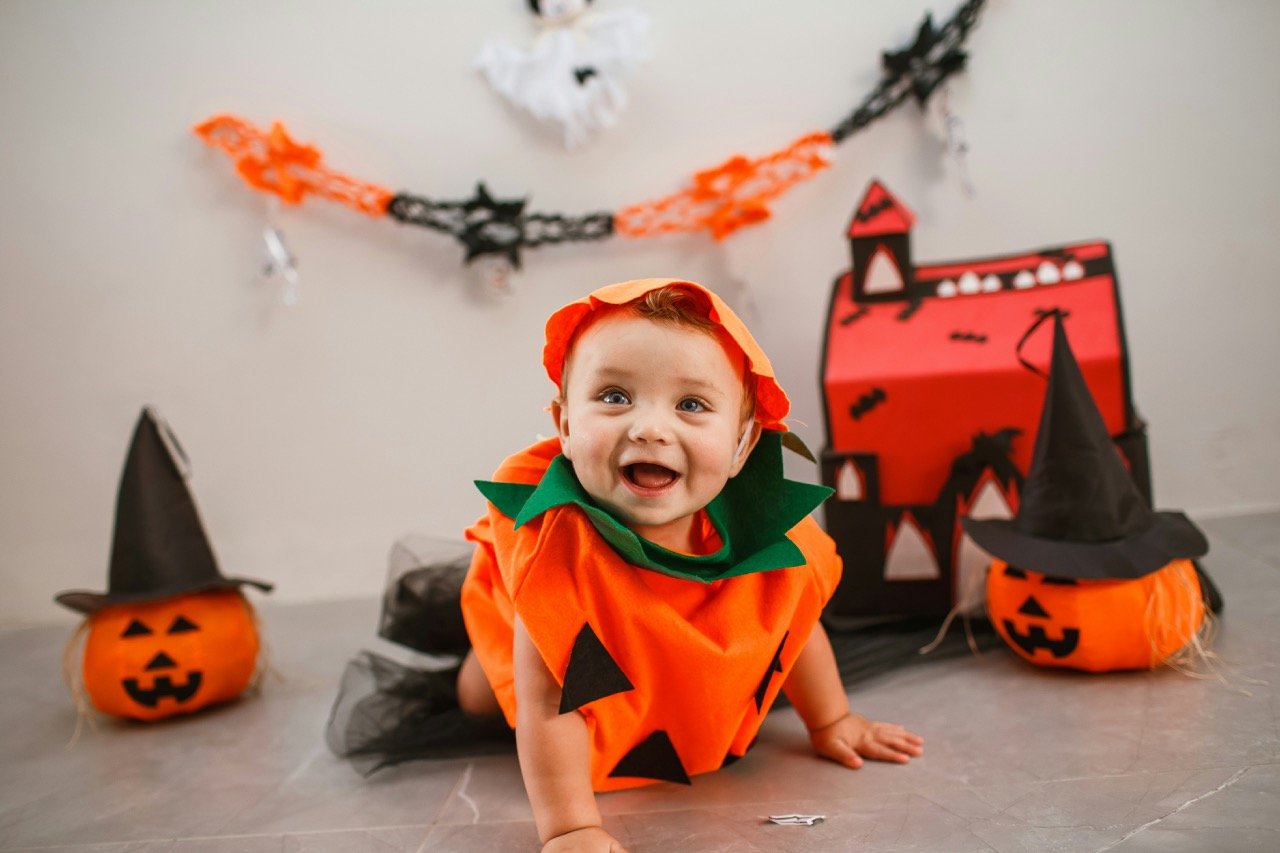
Costume – Special clothes that make you look like someone or something else.
Example – My costume for Halloween is a friendly ghost.
Spirit – A ghost, or the soul of a person who has died.
Example – Long ago, people thought spirits visited the earth in autumn.
Tradition – Something people have done for many years.
Example – Carving a pumpkin is a Halloween tradition.
Carve – To cut a shape into something like a pumpkin.
Example – We carve a funny face into the pumpkin.
Neighbor – A person who lives near you.
Example – Children knock on every neighbor’s door for candy.
Article
Halloween is on October 31. This year, it is on a Saturday. Many children and adults wear costumes, eat candy, and go to parties. But why do we do this? The story is very old.
Halloween started more than 2,000 years ago. The Celts lived in Ireland, Scotland, and other parts of Europe. They had a festival called Samhain. It marked the end of summer and the start of winter. The days became shorter and the nights became darker. The Celts believed that on this night, the line between the living and the dead was very thin. They thought spirits could visit the earth.
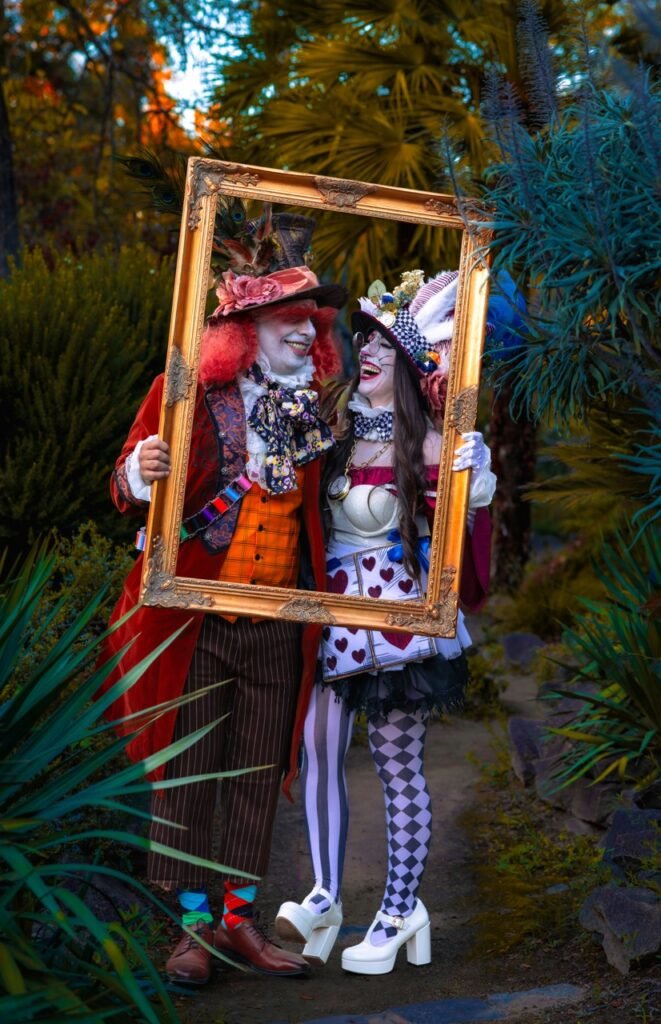
People were afraid of the spirits. So they wore scary costumes to look like spirits too. They also made big fires. They hoped the fires and the costumes would keep bad spirits away. They told stories, too. This is one reason we still wear costumes today.
Later, the Christian church had a holiday called All Saints’ Day on November 1. The night before was called All Hallows’ Eve. Over time, the name became Halloween. So Halloween is a mix of old Celtic ideas and Christian traditions.
What about trick-or-treating? In England long ago, poor people went from door to door on the days around November 2. They sang or prayed for the dead people of a family. In return, the family gave them food. This custom was called souling. Many years later, children in North America started to knock on doors and ask for sweets. Today, they say “Trick or treat!” and neighbors give them candy.
The jack-o’-lantern also comes from Ireland. Long ago, Irish people carved scary faces into turnips and put a light inside. The light was to keep a spirit called Jack away. In the 1800s, many Irish people moved to the United States. They found that pumpkins were bigger, softer, and easier to carve. So pumpkins replaced turnips. Today, millions of families carve a pumpkin every October.
Other countries have their own special days at this time of year. In Mexico, people celebrate Día de los Muertos, the Day of the Dead, on November 1 and 2. Families remember their dead relatives with flowers, food, music, and painted faces. It is not scary. It is a happy time to remember people they love. In Austria, some families leave bread and a lamp for their dead relatives during a week called All Souls’ Week. In the Philippines, children go from house to house, singing and praying for neighbors’ families. This tradition is called Pangangaluwa. It is close to the old custom of souling.
Halloween in Japan is different too. It is not a holiday for small children. It is mostly a party for adults. In places like Shibuya in Tokyo, thousands of people come out in amazing costumes. Some dress as characters from anime and games. Many people take photos, walk through the streets, and meet friends.
As you can see, Halloween is not only about candy and scary movies. It is about people from many cultures looking at the dark nights of autumn and finding ways to be together. Some people are afraid. Some people laugh. Some people remember their family. All of them are keeping a tradition alive.
So this Halloween, ask yourself a question. Are you wearing a costume because it is fun, or because people have done it for thousands of years? Maybe it is both.
Discussion
Do you celebrate Halloween in your country? How is it different from the United States?
What is the best costume you have ever worn, or the best one you have ever seen?
Why do you think people enjoy being a little bit scared?
Which is more interesting to you, Halloween or Día de los Muertos? Why?
What day in your country is about remembering family members who have died?
Do you think adults should wear costumes, or is Halloween mostly for children? Why?
Sources
British Council LearnEnglish Teens: A Brief History of Halloween Traditions
Victoria and Albert Museum: 7 Halloween Traditions Around the World