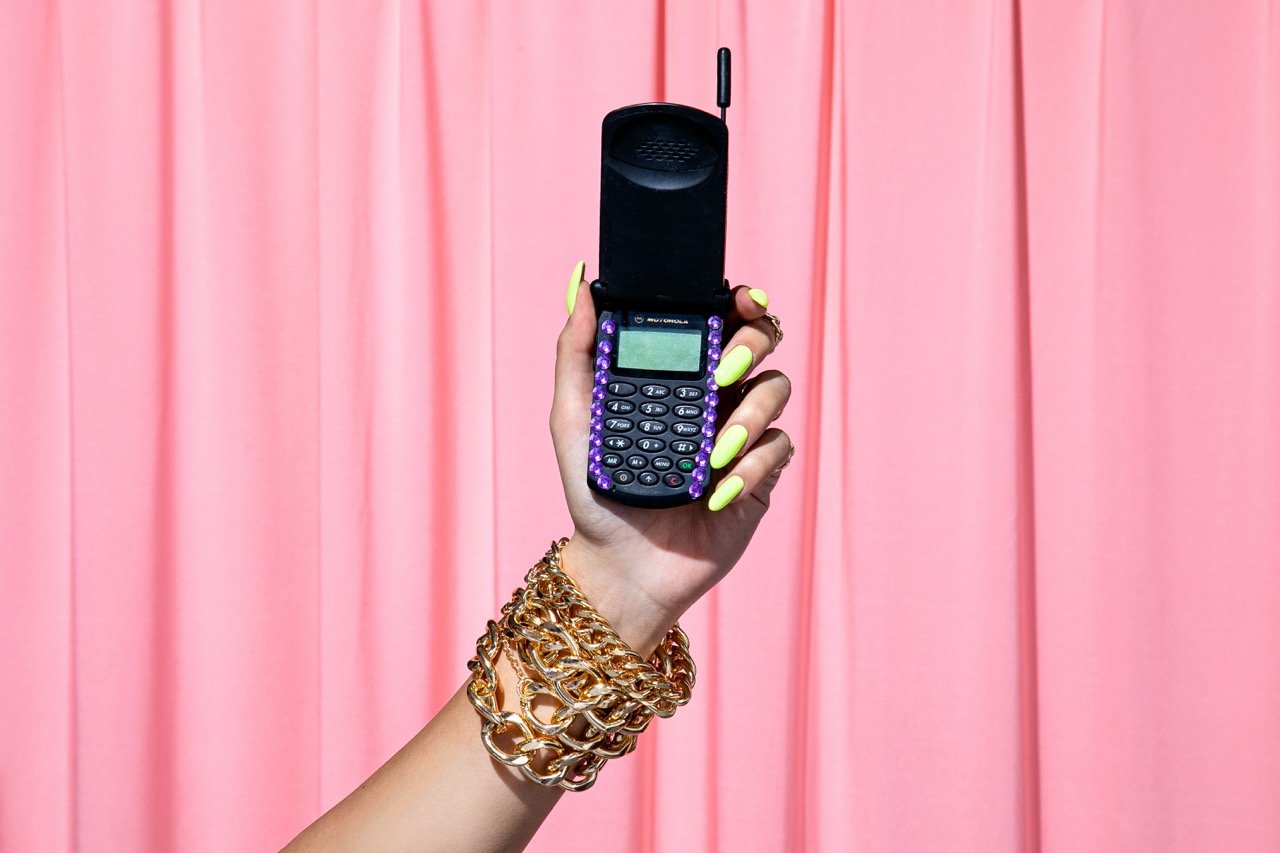
Why Some People Are Giving Up Their Smartphones for “Dumbphones”
Vocabulary
Overload – Too much of something, more than a person can easily handle.
Example – Constant notifications can cause information overload.
Minimalism – A style of living with only the things you truly need, avoiding excess.
Example – Choosing a simple phone with no apps reflects a kind of digital minimalism.
Detox – A period of avoiding something unhealthy in order to feel better.
Example – She went on a two-week social media detox.
Nostalgic – Feeling a fond, sentimental longing for the past.
Example – The retro design of the phone made him feel nostalgic for his teenage years.
Reclaim – To get something back that was lost or taken away.
Example – Many people say ditching their smartphone helped them reclaim their focus.
Article
For most of the last fifteen years, upgrading your phone meant getting something smarter: a bigger screen, more apps, a better camera. In 2026, a small but fast-growing group of people are doing the opposite. They are trading their smartphones for “dumbphones,” stripped-down devices that can call, text, and not much else.
Who Is Buying Them, and Why
According to recent industry surveys, interest in dumbphones is highest among Gen Z adults and millennials, the very generations that grew up with smartphones already in their pockets. Many describe wanting relief from constant notifications, endless scrolling, and algorithm-driven feeds designed to keep them looking at a screen for as long as possible.
For some, the appeal is about attention. A phone with no social media apps, no games, and no infinite scroll simply removes the temptation. A notification that never arrives is a craving that never has to be resisted. For others, it’s about privacy, since a basic phone collects far less personal data than a modern smartphone loaded with tracking apps. There is also a nostalgic element: many dumbphones borrow the simple, boxy design of early 2000s devices.
What the Research Says
This isn’t just a feeling. A randomized controlled trial published in BMC Medicine in 2025 asked more than 100 healthy university students to cut their smartphone screen time to under two hours a day for three weeks. The results were significant: participants showed measurable improvements in sleep quality, stress levels, and overall well-being, with some effects appearing after just the first week.
Interestingly, the same study found that once the three-week period ended, most participants’ screen time crept back up quickly, and their improvements in mood and stress began to fade. That detail matters. It suggests smartphone use has a fairly direct effect on well-being, but also that the benefits of cutting back may not last unless the change becomes a permanent habit rather than a short experiment.
Not Necessarily All or Nothing
Very few people are giving up connectivity entirely. Many dumbphone users still keep a tablet or laptop nearby for anything that genuinely requires internet access, like maps, banking, or work email. The dumbphone becomes a tool used specifically to avoid the parts of a smartphone that feel most addictive.
Cost plays a role too. Dumbphones are typically far cheaper than flagship smartphones, and because they do less, they need charging far less often, sometimes lasting several days on a single charge instead of just one. Some phone companies have noticed the shift and started offering “minimalist mode” smartphones that let the owner disable most apps and notifications with a single switch, appealing to people who want reduced distraction without giving up their smartphone entirely.
Is This a Passing Trend?
It’s too early to say whether dumbphones will remain a niche choice or grow into a lasting shift in how people relate to technology. What seems clear is that a meaningful number of people, particularly those who grew up entirely inside the smartphone era, are actively looking for ways to spend less time on their devices, not more.
Discussion
Would you ever consider switching to a phone with no internet or social media apps? Why or why not?
How many hours a day do you think you spend looking at your phone?
Do you believe smartphones have made your life better, worse, or both? Explain.
What is one habit related to your phone that you would like to change?
Do you think companies that make smartphones and apps have a responsibility to make th65em less addictive?
If you tried a two-week screen time detox, what do you think would be hardest to give up?
Sources
BMC Medicine: Smartphone screen time reduction improves mental health — a randomized controlled trial (2025)
Industry reporting on dumbphone adoption trends among Gen Z and millennial consumers (2026)