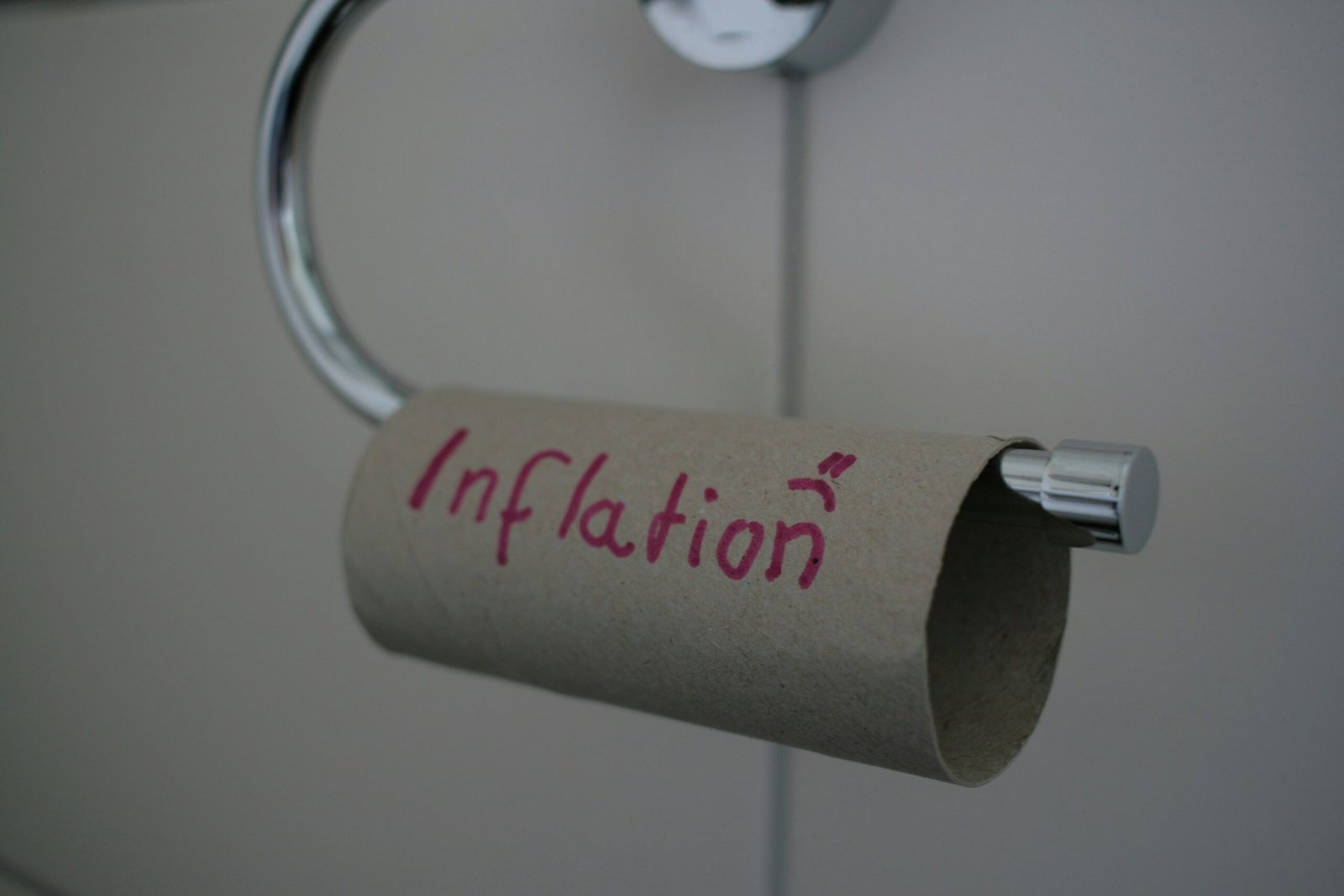
Why Understanding Inflation Matters for Your Money
Vocabulary
Inflation – The increase in the prices of goods and services over time, causing money to buy less than before.
Example – Inflation made groceries and gas more expensive this year.
Purchasing Power – The amount of goods or services that your money can actually buy.
Example – Rising prices reduced the purchasing power of her savings.
Investment – Money put into something with the goal of increasing its value over time.
Example – She made a long-term investment to help grow her savings.
Compound Growth – The process of earning returns on both your original money and the money it has already earned.
Example – Compound growth helped his investments increase significantly over many years.
Emergency Fund – Money set aside to cover unexpected expenses or financial emergencies.
Example – She used her emergency fund to pay for a car repair.
Diversify – To spread your money across different types of investments to reduce risk.
Example – Many investors diversify by owning a mix of different assets.
Article
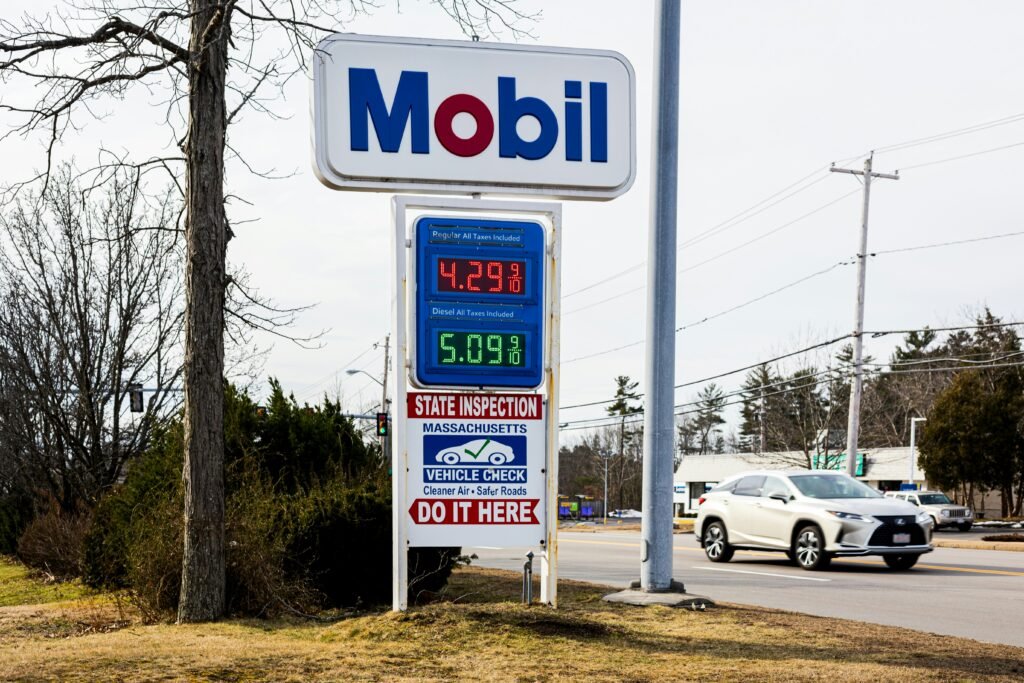
Prices rarely stay the same for long. A cup of coffee, a bag of groceries, a tank of gas: all of them tend to cost more this year than they did five years ago. This gradual rise in prices is called inflation, and while it can feel like a small, background detail of daily life, it has a real and measurable effect on how far your money actually goes.
What Inflation Actually Does
As of mid-2026, inflation in the United States has been running at roughly 3.5% annually. That number might sound small, but its effect adds up quickly. At a steady 3% inflation rate, $100,000 sitting untouched today would only have the buying power of about $86,000 five years from now. The number on your bank statement hasn’t changed, but what that number can actually buy has quietly shrunk.
This matters most for money that just sits still. A typical savings account, especially one earning very little interest, effectively loses value every year that inflation outpaces its interest rate. On $50,000 sitting in a standard low-interest savings account, 3% inflation can translate to roughly $1,500 in lost purchasing power every single year, even though the account balance never goes down.
Why Simply Saving Isn’t Always Enough
This doesn’t mean saving money is a bad idea. An emergency fund, money set aside specifically for unexpected costs like medical bills or car repairs, should generally stay in a safe, easily accessible account, even if inflation slowly erodes its value. The purpose of that money isn’t growth, it’s protection.
But for money meant for longer-term goals, many financial experts point to investing as one of the more reliable ways to keep pace with, or outgrow, inflation over time. Assets like broad stock market index funds have historically outperformed inflation over periods of ten years or longer, even accounting for the market’s short-term ups and downs.
The Case for Index Funds
An index fund is a type of investment that simply follows a broad market index, such as the S&P 500, instead of trying to pick individual winning stocks. Because an index fund automatically spreads money across hundreds of companies at once, it offers built-in diversification without requiring the investor to research individual businesses.
Financial researchers frequently point out that index funds, because of their very low fees, tend to outperform many actively managed funds run by professional stock pickers over long time periods. The lower the fees, the more of an investor’s money stays invested and able to grow.
Time Is the Real Advantage
The most powerful ingredient in long-term investing isn’t a clever strategy, it’s time. Compound growth means an investor earns returns not just on their original money, but on the returns that money has already generated, and that effect accelerates the longer money stays invested.
Consider two people who each invest the same $100 a month, one starting at age 25 and the other at age 35. Despite contributing only $12,000 more in total over that extra decade, the earlier investor could end up with roughly $140,000 more by retirement, purely because their money had ten additional years to compound. Small, consistent contributions made early tend to matter far more than trying to invest a large sum perfectly timed to the market.
Building the Habit
None of this requires becoming a financial expert. Diversifying across a broad index fund, keeping a separate emergency fund for unexpected costs, and consistently investing small amounts over a long period of time are habits available to almost anyone, regardless of how much they currently have saved. Understanding inflation isn’t about anxiety over rising prices, it’s about recognizing that money left completely idle rarely keeps its value, while money put to work consistently has a real chance to grow alongside, or ahead of, the rising cost of living.
Discussion
Have you noticed prices rising for things you buy regularly? What has changed the most?
Do you currently have an emergency fund? Why do you think it’s important to keep it separate from other savings?
Would you feel comfortable investing money in the stock market? Why or why not?
Do you think most people your age understand concepts like inflation and compound growth?
If you started investing $100 a month starting today, how do you imagine that money might grow over the next 20 years?
What is one financial habit you would like to build or improve?
Sources
U.S. Bureau of Labor Statistics: Consumer Price Index data (2026)
Financial research and reporting on index fund performance, fees, and long-term compound growth (2026)