Why We Feel Close to People Who Don’t Know We Exist
Vocabulary
Parasocial – Describing a one-sided relationship where one person feels a personal connection to someone who does not know them personally.
Example – Many fans describe a parasocial relationship with their favorite YouTuber.
Intimacy – A feeling of closeness and personal connection with someone.
Example – Watching daily vlogs can create a sense of intimacy, even though the creator doesn’t know the viewer exists.
Mediate – To influence or affect the relationship between two other things.
Example – Real friendships seem to mediate how parasocial relationships affect loneliness.
Belonging – A feeling of being accepted and valued as part of a group.
Example – Online fan communities can give people a strong sense of belonging.
Reciprocal – Involving two people who give and receive something from each other equally.
Example – Unlike a real friendship, a parasocial relationship is rarely fully reciprocal.
Article
For decades, people have formed emotional attachments to characters on television or radio hosts they listened to every day, feeling a kind of closeness even though the relationship only ever went one direction. Researchers first named this pattern back in 1956, calling it a parasocial relationship: a one-sided emotional bond with someone who has no idea the other person exists. In 2026, thanks to influencers, YouTubers, and streamers who broadcast their daily lives directly to millions of followers, this kind of relationship has become far more common, and far more studied.
What Makes These Bonds Feel So Real
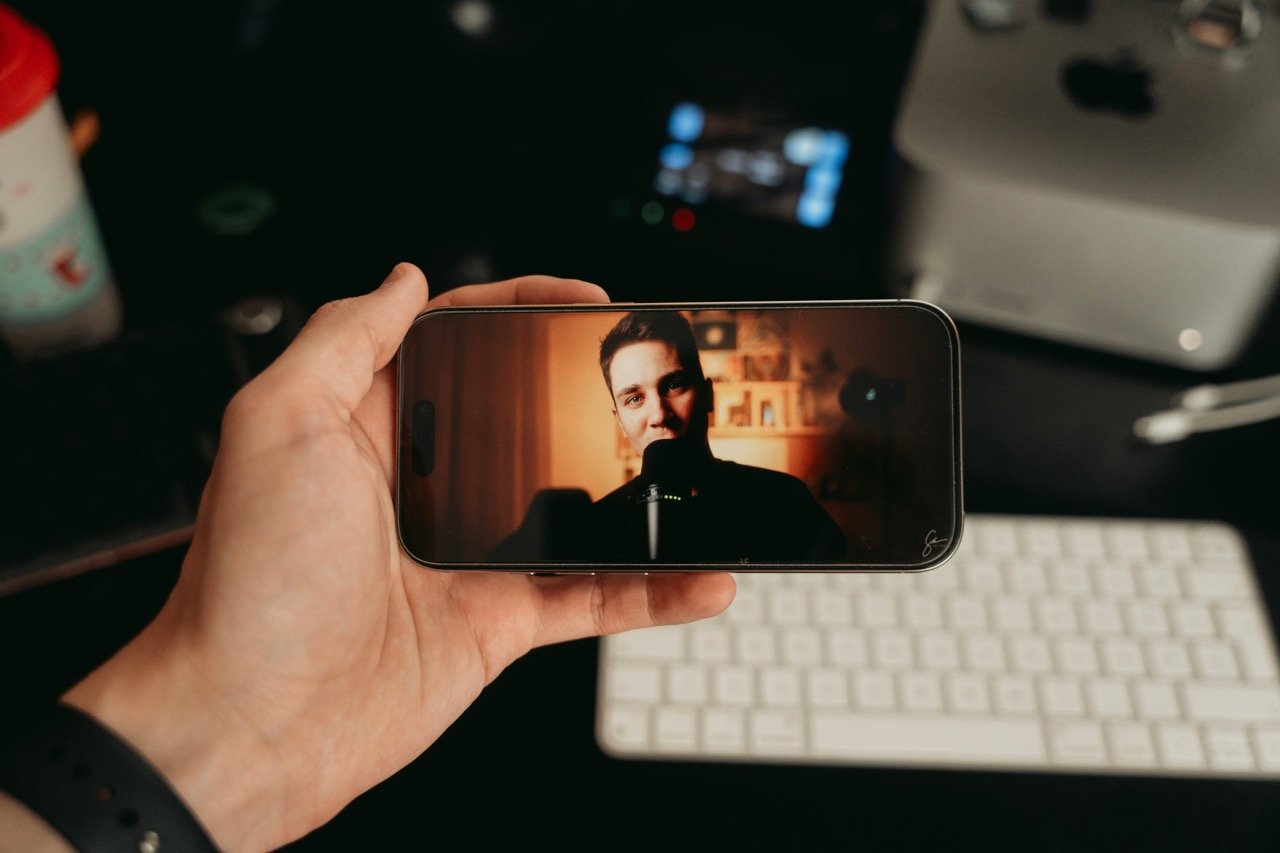
Unlike a distant celebrity glimpsed occasionally in a magazine, today’s influencers speak directly into a camera, often daily, sharing what feels like personal, unscripted moments. Psychologists say this consistent, intimate-feeling contact is exactly what makes parasocial bonds so strong. A viewer who watches the same creator talk casually about their morning coffee or their weekend plans, day after day, can start to feel like they genuinely know that person, even though the relationship is entirely one-sided.
The Complicated Link to Loneliness
A 2025 study published in the journal Current Psychology surveyed 244 young adults, with an average age of 22, about their favorite influencers, their sense of loneliness, and the quality of their real-life friendships. The findings were more complicated than a simple “parasocial relationships are bad” or “parasocial relationships are good.”
On one hand, these one-sided bonds can genuinely help. They let people practice a kind of social connection, feel a sense of belonging, and reduce loneliness, all without the risk of rejection that comes with approaching a real stranger. This may explain why parasocial relationships are often especially meaningful for people who feel isolated or who belong to communities that are harder to find in their immediate, offline life.
On the other hand, the same research found that when parasocial relationships aren’t balanced by real friendships, they can be associated with higher loneliness rather than lower loneliness. According to the study, the strength of a person’s actual offline friendships appeared to shape whether their relationship with an influencer felt like a healthy supplement to their social life or a substitute for connection they weren’t getting anywhere else.
Why This Matters More Than Ever
What has changed since 1956 isn’t the basic psychology, it’s the scale and intimacy of the contact. A television host in the 1950s couldn’t respond to an individual viewer’s comment. Today’s influencers frequently reply to comments, react to messages live on stream, or post content that directly references their audience, creating what researchers describe as a partially reciprocal relationship, one that feels less one-sided than it technically is.
This blurred line matters because it can shape real expectations. Some viewers report feeling genuinely hurt when a favorite creator takes a break, changes their content, or simply doesn’t reply, reactions that mirror the emotions people feel in real friendships, even though the creator never knew that particular viewer existed at all.
Finding the Balance
None of this means following influencers is inherently harmful. Researchers increasingly frame the healthiest relationship with online creators as something that runs alongside a person’s real friendships, not instead of them. A parasocial relationship that adds enjoyment, community, or a sense of belonging on top of an already-connected social life looks very different from one that has quietly become someone’s main source of connection.
As more of daily life moves online, and as more influencers build their entire audience around feeling personally accessible, understanding this psychology becomes less of an academic curiosity and more a practical question that touches nearly everyone with a phone: who do you feel close to, and how much do they actually know you exist?
Discussion
Do you follow any influencers or creators who make you feel like you know them personally?
Do you think parasocial relationships are generally healthy, unhealthy, or somewhere in between?
Has a public figure or influencer’s actions ever affected your mood, even though you’ve never met them?
Do you think it’s different when an influencer replies to comments or interacts with fans directly, compared with a traditional celebrity who doesn’t?
Why do you think people form these one-sided attachments in the first place?
Do you think social media makes real friendships stronger, weaker, or does it depend on the person?
Sources
Current Psychology: “I’ll Be Online for You: Parasocial Relationships with Social Media Influencers, Loneliness and the Mediating Role of Real Friendships” (2025)
Horton, D. & Wohl, R.: original research defining parasocial interaction (1956)