Is It Smarter to Rent Forever Than Buy a Home?
Vocabulary
Equity – the value of a property that an owner actually owns, after subtracting any remaining mortgage debt.
Example – As homeowners pay off their mortgage, their equity in the house grows.
Appreciation – an increase in the value of an asset, such as a house, over time.
Example – Steady home price appreciation is one reason buying can build long-term wealth.
Opportunity cost – the value of what you give up when you choose one option instead of another.
Example – The opportunity cost of a large down payment is the return that money could have earned if invested elsewhere.
Breakeven point – the point at which the cost of two options becomes equal, after which one option becomes more favorable.
Example – Financial experts recommend calculating your breakeven point before deciding whether to buy or rent.
Volatile – likely to change quickly and unpredictably.
Example – Mortgage rates have been volatile in recent years, complicating the rent-versus-buy decision.
Article
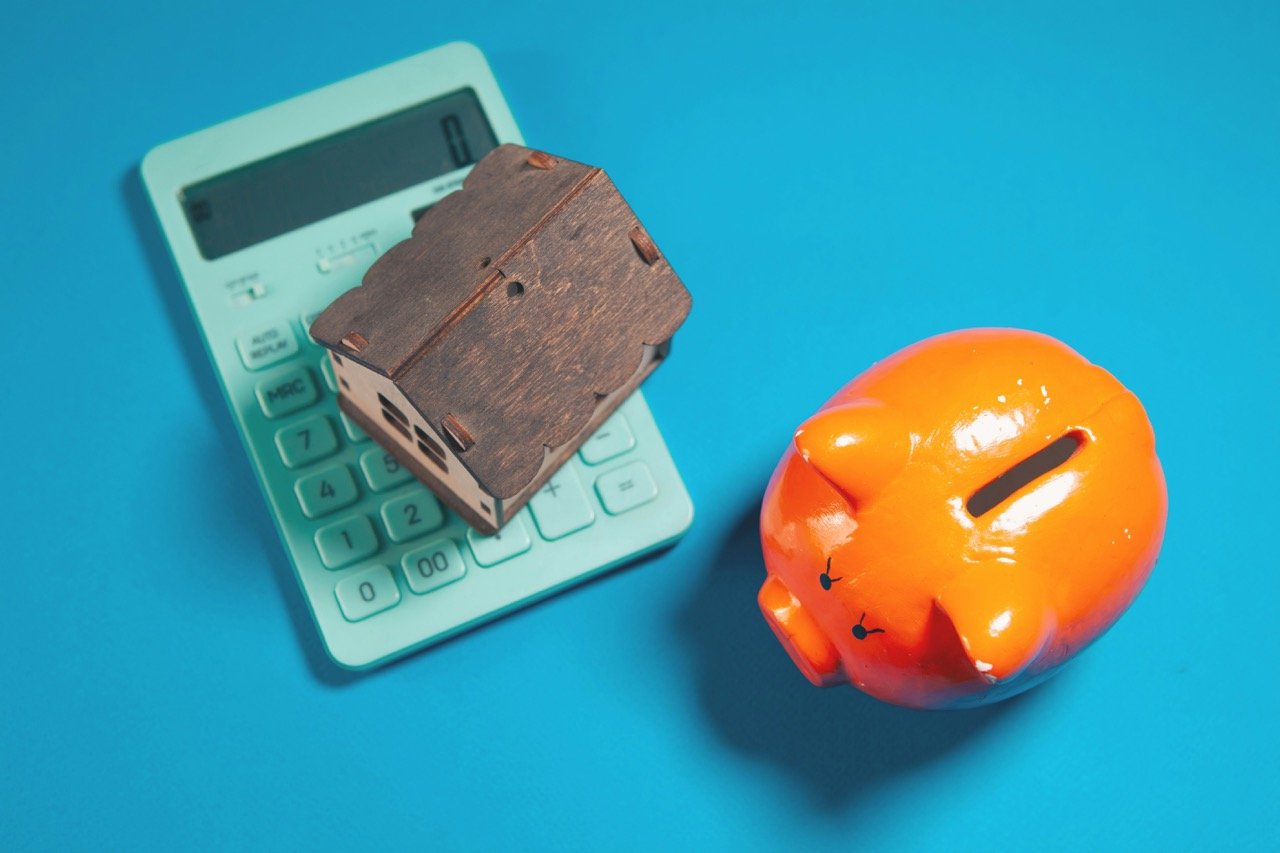
For decades, buying a home was treated as the default marker of financial maturity, the moment a renter finally became a real adult. In 2026, that assumption is being challenged more seriously than it has been in years. Mortgage rates remain elevated, home prices in many cities are still historically high, and a growing number of financial experts are asking a blunt question: is renting forever actually the smarter move?
The Month-to-Month Math Has Shifted
According to recent housing market analysis, renting is currently the better financial choice in 27 of the 50 largest U.S. metro areas, while buying wins in the remaining 23. Renters across those major metros are saving an average of roughly $920 per month compared to what they would pay on a mortgage for a similar property. In expensive markets like San Jose, that gap widens dramatically, with renters reportedly saving nearly $4,094 a month compared to buying. In more affordable metros like Chicago, the gap narrows to roughly $478 in favor of buying.
The average 30-year fixed mortgage rate currently sits around 6.6 percent, higher than many buyers were hoping for heading into 2026. Combined with home prices that have not meaningfully corrected in most markets, the monthly cost of buying now often exceeds the cost of renting a comparable property, at least at first.
Why Buying Still Wins Long-Term, For Some
Despite renting’s short-term affordability edge, homeownership still tends to build significantly more long-term wealth. Recent housing data found that the average homeowner has a net worth roughly 43 times higher than the average renter, largely because mortgage payments build equity over time while rent payments do not. Analysts note that if someone plans to stay in a home for five years or more, buying tends to win financially in the large majority of U.S. markets, due to price appreciation and the forced savings of paying down a mortgage.
Timeline turns out to matter more than almost any other factor. Buying and then selling within two to three years rarely makes financial sense once closing costs are factored in, typically two to five percent of the purchase price to buy and five to eight percent to sell. For someone uncertain about staying in one place, renting removes that risk entirely.
The Hidden Costs Buyers Often Forget
Financial writers covering the debate this year point out that homeownership carries expenses well beyond the mortgage itself. Property taxes, insurance, maintenance, and repairs can add up to roughly $21,400 per year on top of a typical mortgage payment. Renters generally avoid these costs entirely, along with the opportunity cost tied up in a large down payment, money that could otherwise be invested elsewhere and potentially grow faster than a single property’s value.
This is part of why some financial advisors now argue that renting and investing the difference can outperform buying in certain markets, particularly volatile ones where home prices are not appreciating quickly. The classic assumption that a house is always a good investment has become more of an “it depends” answer than a guaranteed rule.
A Generational Shift in Attitude
The financial numbers are not the whole story. Generational attitudes toward renting have shifted noticeably. Recent research found that only 39 percent of Millennials and 34 percent of Gen Z still see renting as a temporary step before eventually buying a home, compared to a much smaller share of Gen X and Baby Boomers, most of whom always expected to own. A meaningful share of younger renters, around 34 percent according to one 2026 survey, say renting actually allows them to afford the lifestyle they want, prioritizing mobility, travel, and flexibility over the commitment of a mortgage.
Renting long-term, once seen as a sign that someone had not yet “made it,” is increasingly viewed as a legitimate, even deliberate, lifestyle choice rather than a failure to reach a financial milestone.
So, Which Is Actually Smarter?
The honest answer depends heavily on where someone lives, how long they plan to stay, and how disciplined they are about investing any money they save by not buying. In some cities, renting and investing the difference could realistically outperform ownership over many years. In others, especially where prices are more moderate, buying and holding a property for five or more years remains the stronger long-term wealth-building strategy.
What has changed in 2026 is not the math itself so much as the willingness to seriously question a decision that used to be treated as automatic. For a growing number of people, renting forever is no longer a fallback plan. It is a calculated financial choice.
Discussion
Do you think renting forever can be a smart, deliberate financial choice, or is buying always the better long-term goal?
How much does where you live affect whether renting or buying makes more financial sense, in your opinion?
Would you rather have the flexibility of renting or the long-term equity of owning a home? Why?
Do you think younger generations are genuinely rejecting homeownership, or simply being priced out of it?
If you had extra money each month from renting instead of buying, would you actually invest it, or spend it?
Has your own view of homeownership as a marker of success changed in recent years?
Sources
Empower: Rent vs. Buy in 2026, Which Is Cheaper in Today’s Housing Market?
Domain Money: Rent vs. Buy in 2026, The Math Changed, and So Should Your Strategy
Rently: 2026 Renting by Generation Report