Does Cold Water Swimming Really Help Your Mind?
Vocabulary
Plunge – A sudden jump or dive into water.
Example – Many people take a quick plunge in the lake before work.
Anecdotal – Based on personal stories instead of scientific testing.
Example – The evidence for cold water swimming is mostly anecdotal.
Control group – A group in a study that does not receive the treatment, used for comparison.
Example – Without a control group, we cannot be sure the swims caused the improvement.
Involuntary – Happening without your choice or control.
Example – Cold water can cause an involuntary gasp.
Short-lived – Lasting only a short time.
Example – The good mood after a cold swim may be short-lived.
Article
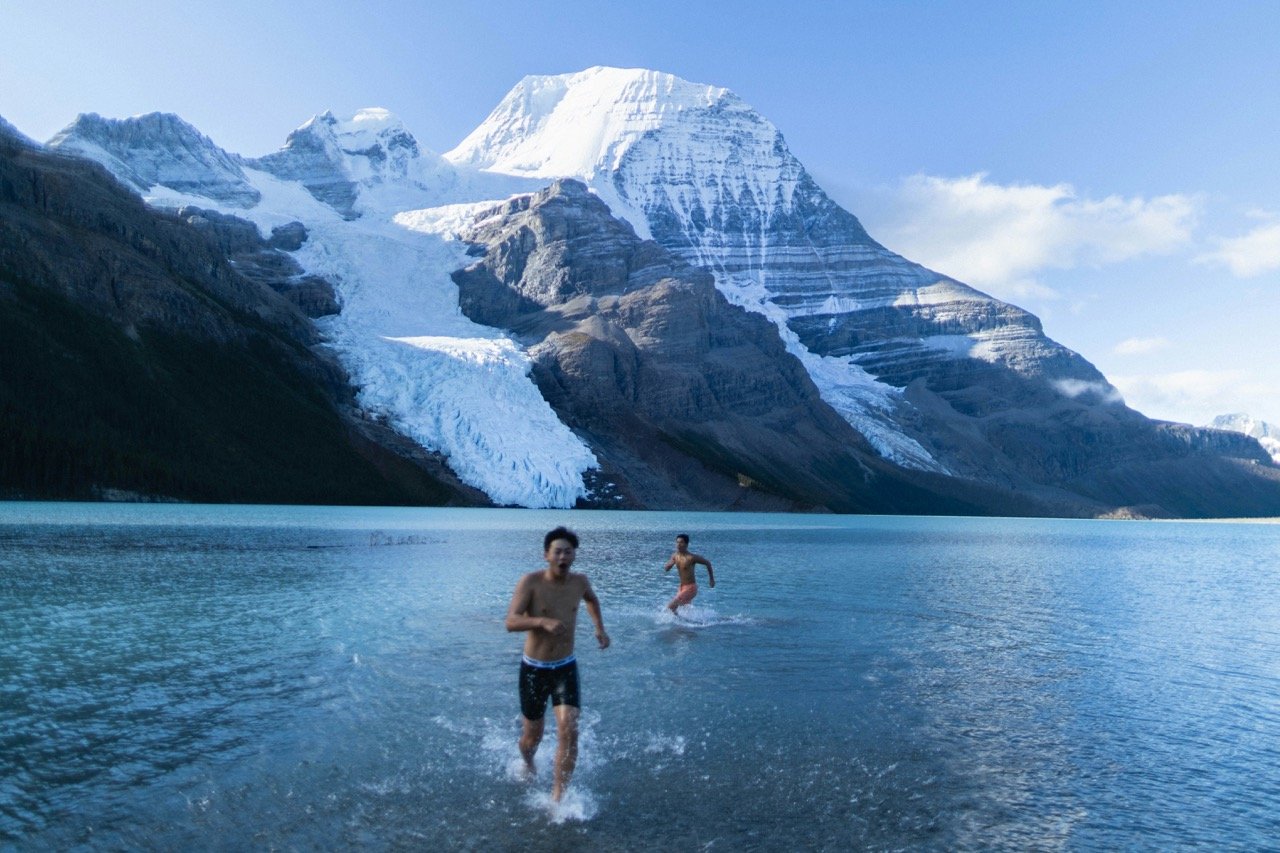
Every winter, groups of swimmers in many countries walk into rivers, lakes, and seas that are close to freezing. Many of them say the same thing when they get out: they feel calmer, sharper, and happier than they have in weeks. Social media is full of these stories, and cold water swimming has grown steadily in popularity. But a good feeling is not the same as scientific proof. What does the research actually say about cold water and the mind?
The most famous evidence is a case report published in BMJ Case Reports. It described a 24-year-old woman with major depression and anxiety who had taken medication since the age of 17, with little success. Doctors led by Christoffer van Tulleken at University College London, working with Michael Tipton and colleagues at the University of Portsmouth, followed her as she began swimming in cold open water once a week. According to the report, her mood improved straight after each swim, her symptoms slowly decreased, and she was eventually able to stop her medication. At follow-up she remained medication-free.
It is an inspiring story, but the authors themselves are careful about what it proves. It involves only one patient and there was no control group, meaning nobody to compare her with. She also swam with other people every week, and outdoor exercise and social contact are both known to improve mood. Her medication was reduced during the same period, so it is hard to separate the effect of the water from everything else that was changing in her life. The researchers suggested that repeated cold exposure might lower chronic stress and inflammation, but this idea is a hypothesis, not a tested result. Headlines claiming that swimming “works” for depression therefore go further than a single case allows.
A larger picture comes from a systematic review and meta-analysis published in PLOS One, which combined 11 randomised controlled trials with 3,177 participants. The studies looked at cold showers and cold baths, not wild swimming, and the review defined cold as water at 15°C or below. The results were mixed. Stress levels were lower 12 hours after immersion, but not at other time points. One trial suggested better sleep, although it lasted only five days. Another found improved quality of life, but the benefit was no longer significant after three months. On mood specifically, the review found no effect. Inflammation, meanwhile, actually rose right after the cold exposure.
The reviewers also listed important limits. Almost all participants were men, all were healthy adults, and six of the 11 studies tested only a single immersion, so long-term effects cannot be judged. Several trials used cold water after exercise, which makes it difficult to know which factor caused any change. One of the study’s authors, Tara Cain, compared the short-term rise in inflammation to the muscle stress caused by exercise, which can lead to strength gains later. She said regular cold exposure might eventually reduce inflammation overall, but stressed that this has not yet been shown. David Merrill, a doctor not involved in the review, noted that people often feel more alert and less anxious right after a plunge. However, he said it is unclear whether those feelings last, and he called for long-term studies, especially with people who have depression or anxiety.
So what can we say with confidence? Many people feel better immediately after cold immersion, and that experience is real. What remains unproven is whether regular cold swimming treats depression or anxiety, or whether the benefits come from the cold itself rather than from fresh air, exercise, nature, and friendship. Cold water may also not be a good fit for everyone, and researchers note that safety was not well studied in the trials.
Safety matters because cold water can be dangerous. The UK Met Office explains that cold water shock can happen when a person enters water below 15°C, and that it can affect anyone, whatever their age, fitness, or swimming ability. The body reacts with an involuntary gasp, rapid breathing, and a racing heart, which can lead to panic and to inhaling water. These effects usually last around 90 seconds. The Met Office advises people who fall into cold water to lean back, float, and control their breathing before trying to swim. For planned swims, it recommends checking conditions, going with others, telling someone your plans, and getting out quickly if you notice shivering, weakness, or confusion.
In the end, the honest answer to the question is “maybe, but we need better evidence”. Cold water swimming appears to offer a short burst of alertness and calm for some people, and for many it is a reason to get outside and meet friends. As a replacement for professional mental health care, there is no solid proof. Anyone who is struggling with depression or anxiety should speak to a doctor before changing their treatment, and anyone curious about a cold dip should start carefully and never swim alone.
Discussion
What has your experience of cold showers or cold water swimming been like, and how did it affect your mood?
Why do you think so many people describe feeling calmer after a cold dip, even when the research is mixed?
How much should we trust a single patient’s success story when deciding what is good for our health?
Which matters more to you when choosing a wellness habit: scientific proof or your own experience?
Which recent wellness trends seem to have solid evidence behind them, and which seem to be just hype?
How might swimming with friends or being outdoors explain some of the benefits that people credit to cold water?
What steps should a person take before trying a risky activity that others say has changed their life?
What traditions in your country, such as cold water bathing or saunas, are believed to help mental health?
Sources
BMJ Case Reports (via Neuroscience News): Cold Water Swimming May Ease Depression
PLOS One (via Medical News Today): Effects of cold-water immersion on health and wellbeing, a systematic review and meta-analysis
UK Met Office: Cold water shock, how to stay safe