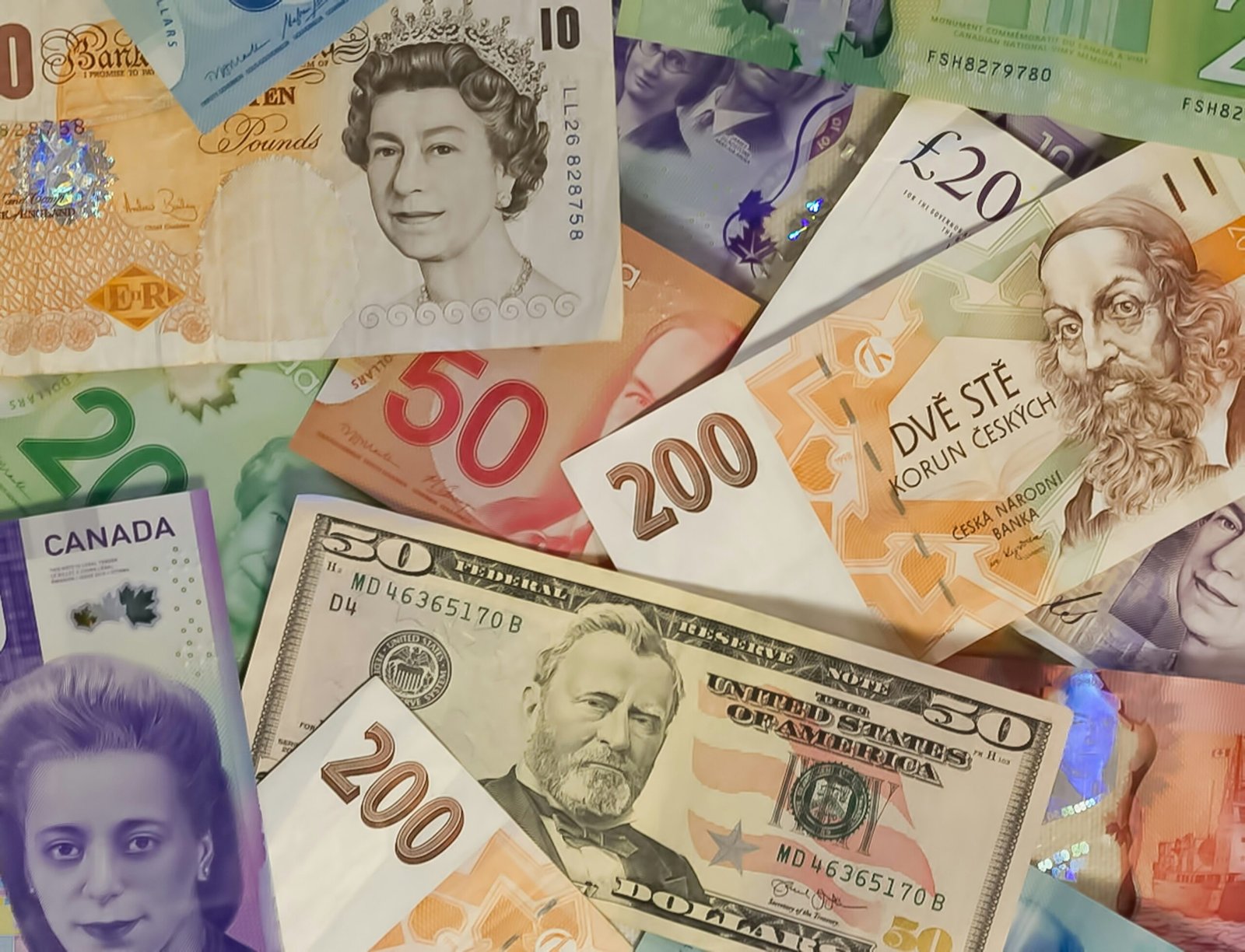
How Trade Tensions Between Countries End Up in Your Wallet
Vocabulary
Tariff – a tax a government places on goods coming in from another country.
Example – The new tariff added extra cost to every truckload of goods crossing the border.
Retaliate – to respond to an action, especially a harmful one, with a similar action in return.
Example – Canada promised to retaliate with its own tariffs on American products.
Inflation – a general rise in prices across an economy over time.
Example – Economists worry the new tariffs could push inflation higher later this year.
Blockade – the act of blocking a place, especially a port or shipping route, to stop goods or people from passing.
Example – Ships slowed down after reports of a possible blockade near the strait.
Commodity – a raw material or basic good that can be bought and sold, such as oil or wheat.
Example – Oil is one of the most closely watched commodities in the global economy.
Article
Two very different conflicts are unfolding on opposite sides of the world right now, and neither one might seem directly connected to your daily life. One involves the United States and its neighbor Canada arguing over tariffs. The other involves tension near the Strait of Hormuz, a narrow strip of water thousands of kilometers away in the Middle East. But both situations share something important: they are already affecting how much ordinary people pay for everyday things.
The US-Canada Tariff Fight
In late August, trade talks between the United States and Canada broke down. Shortly after, the US placed 50 percent tariffs on a wide range of Canadian imports, affecting roughly 20 billion dollars of goods, everything from hockey sticks to agricultural products. Canada’s government responded quickly, promising “dollar for dollar” retaliatory tariffs of its own starting in September.
Tariffs like these work in a simple but powerful way. When a tariff makes it more expensive for a company to import goods, that company usually passes at least some of the extra cost on to customers. Economists have already found that earlier rounds of tariffs this year added roughly half a percentage point to overall prices in the US. With a new, larger round of tariffs now in place, and Canada preparing to respond, many economists expect that number to climb further, right as households are also feeling pressure from a completely separate source.
Oil, Iran, and a Narrow Strait
That separate source is thousands of kilometers away, near the Strait of Hormuz, one of the most important shipping routes in the world for oil. After military conflict broke out between the US, Israel, and Iran earlier this year, Iran began threatening and, in some cases, attacking commercial ships passing through the strait. Roughly a fifth of the world’s oil normally passes through this narrow waterway, so even the threat of disruption tends to send oil prices higher.
A temporary agreement in June briefly allowed more ships to move through safely, but it collapsed within weeks as fighting resumed over which shipping routes were allowed. As of late August, no lasting deal has been reached, and oil prices have swung sharply as a result, at one point rising more than 15 percent compared to before the conflict began.
How This Reaches Your Wallet
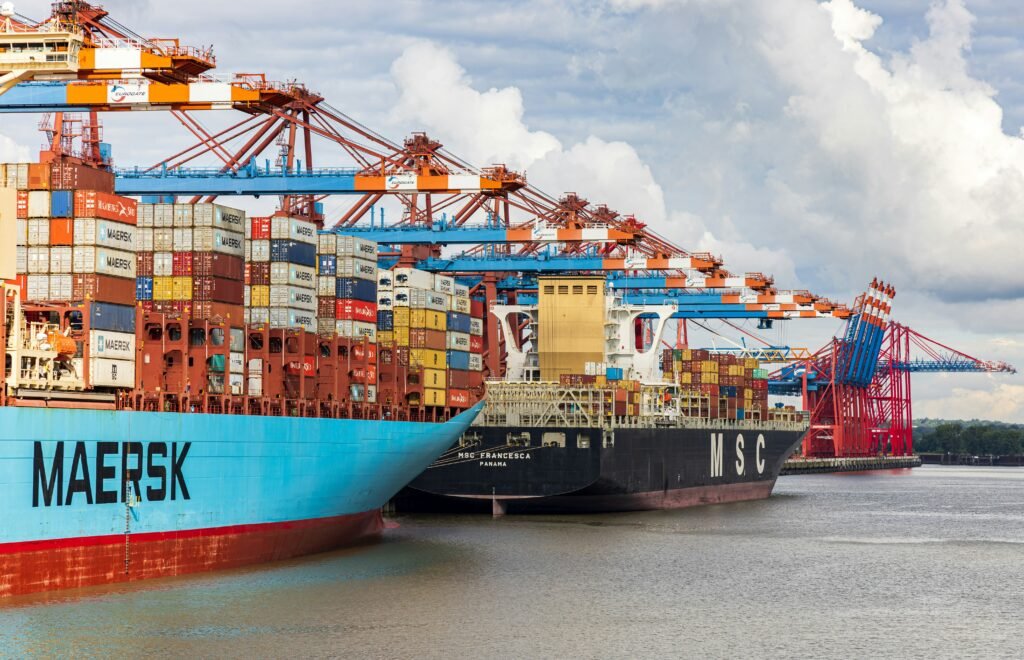
It can be hard to see how a tariff on Canadian lumber or a shipping dispute near Iran connects to a grocery bill or a gas station receipt, but the link is fairly direct. Higher oil prices raise the cost of shipping almost everything, since trucks, ships, and planes all run on fuel. Higher tariffs raise the direct cost of specific imported goods. When both pressures hit at the same time, as they are doing now, the combined effect on inflation can be larger than either one alone.
Governments often frame these conflicts in terms of national security or fair trade practices, and there are real arguments on both sides of each dispute. But for someone filling up a car or buying imported food, the underlying politics usually matter less than the number on the receipt.
Is There a Way Out?
Both situations remain unresolved. Canada’s retaliatory tariffs have not taken effect yet, leaving room for further negotiation before September. Talks over the Strait of Hormuz continue on and off, though both sides have hardened their positions recently. Economists generally agree that a resolution to either conflict would ease some inflation pressure, while continued escalation in both places at once would likely make it worse.
For now, two separate international disputes, one about trade and one about military conflict, are quietly shaping the same thing for millions of people: how far their money goes each month.
Discussion
Had you heard about either of these conflicts before reading this article?
Do you think tariffs are a fair way for countries to protect their own industries?
How do rising oil prices affect your daily life or your country’s economy?
Do you think governments should prioritize national security or lower prices for citizens when trade conflicts arise?
Have you noticed prices rising recently for reasons that seemed connected to world events?
Do you think ordinary people should have more say in decisions about tariffs and trade policy?
Sources
PBS News: What to Know About Trump’s 50% Tariffs on Canadian Goods That Just Went Into Effect
Semafor: US-Canada Tariffs Could Stoke Inflation Ahead of Midterms
Al Jazeera: Oil Prices Climb as Iranian Demands Cloud Outlook for Strait of Hormuz